
Lead-acid batteries weigh a fair amount. Ask anyone who has lifted one out from under an automobile hood, or hefted a new one in its place. Lead-acid batteries comprise water – with sulfuric acid added – and lead plates all tidily concealed inside a strong plastic case. Their weight has proved to be a disadvantage in some instances though. However, there is a twist in that tale, as we discovered the other day.
With Forklifts, Lead-Acid Batteries Weigh in Wins
We are sharing the thoughts of Amit Ghosal, Managing Director and CEO of Espex Batteries in the UK today. He has worked his way up the ranks of the subsidiary of India’s Exide Industries.
For he was previously Managing Director starting June 2006. He has released some interesting thoughts regarding lead-acid batteries in forklift trucks.
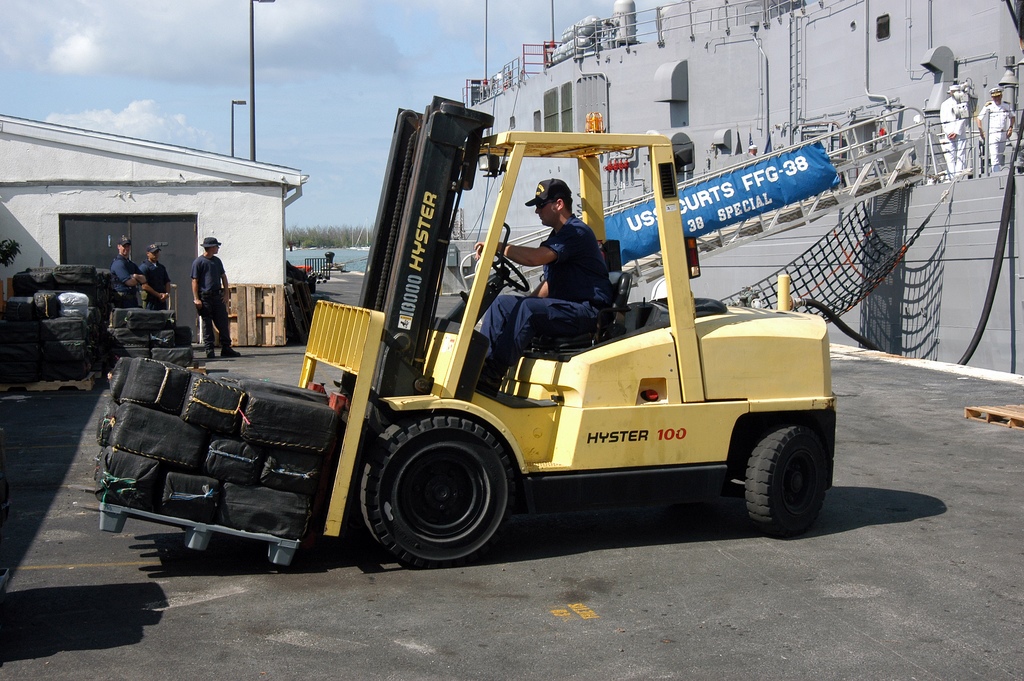
Forklift truck chassis are lumps of cast iron to offset the destabilizing effects of their loads. But, this weight is insufficient in itself. The average 3,000-pound-capacity reach truck needs at least 1,900 pounds of lead-acid ballast weight to complete the counter balance. Thus, the amount lead-acid batteries weigh contributes to the integrity of the vehicle, and the safety of the operator.
This Gives Lead Forklift Batteries a 10-Year Life Extension

Exide and Espex are both heavily into lead-acid batteries. Nonetheless, Amit Ghosal thinks ‘it is only a matter of time before lithium takes over the forklift sector’.
This will require a rethink of forklift truck design, including new technologies to balance the load.
Individual forklift design life is 20 years, so the bite will come in 10 years’ time, Amit Ghosal thinks. Ten years is a long time in the battery industry. He believes alternative materials like cobalt could prove superior to lithium.
For now, lead-acid batteries weigh in superior to other alternatives for forklifts in terms of counter-balancing attributes. The only advantage lithium has over lead-acid is it recharges faster, so there is an energy saving. But this balance could change too in the future.
Related
Industrial Battery Maintenance Tips for Long Life Performance
Global Lead-Acid Battery Trends to 2020
Preview Image: Harpers Ferry