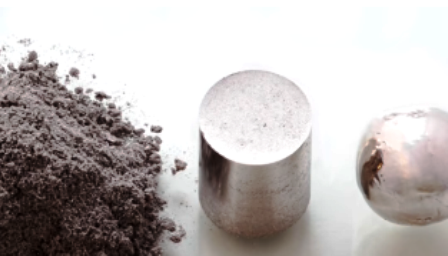
The other day we wrote about an exciting new way of recycling lithium batteries. However, this new research is still at the experimental stage. We decided to describe the current method because it is all we have at present. Moreover, we do need to do something urgently because 95% of lithium batteries still end their days in landfill tips.
Why Recycling Lithium Batteries Is So Important
Lithium battery cathodes contain lithium-metal oxides. The additives are usually cobalt, iron, manganese, or nickel. Cobalt and nickel are already in short supply, while the battery industry is using increasing amounts of lithium. Therefore, recycling lithium batteries to allow us to reuse their components – and potentially drive the cost of battery storage lower – is a global priority. Some companies are making progress …
Lithium-ion and lithium iron phosphate batteries also contain aluminum, and high-grade copper. After discharging / deactivating batteries, recycling plants dismantle them before crushing, sorting, and then sieving components. Some recycling plants use advanced technology including aqueous chemistry, and thermal treatments.
Specific Dangers Attached to Lithium Battery Recycling
Recycling lithium batteries is a heavy industrial process, involving large amounts of electricity, dangerous chemicals, reactions to burns of various kinds, and their complications. Some lithium batteries react violently to water, while pouch cells are easier to recycle to extract copper.
Very few battery recycling firms extract the lithium itself. They reason different lithium battery types require different extraction processes, and this is uneconomic. Moreover, they say the costs are higher than lithium mining. If engineering is a joined-up process that considers all the factors, then apparently engineering has let us down this time.
We need to reconfigure lithium battery storage in a more sustainable way, and encourage recycling companies to follow the example in the video. For if we do not, then future society may judge us harshly for the used lithium batteries we left behind. What could we do now to improve matters, do you think.
Disclaimer: We have no association with the company in the video and we are unable to underwrite their claims
Related
Lithium-Ion Battery Recycling Leaps Ahead
Battery Recycling: The Case for Doing It
Preview Image: Recycled Lithium
Video Share Link: https://youtu.be/9wJPhB9mfxE