


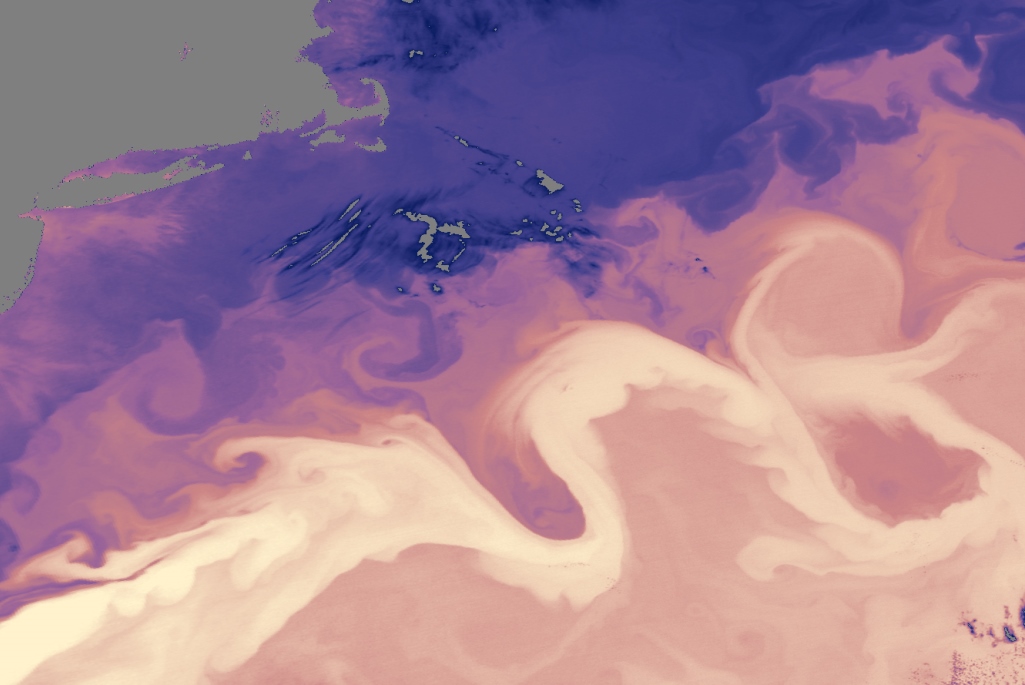
The Gulf Stream is a warm ocean current flowing north from the Gulf of Mexico. It follows the American east coast until it reaches the southeast shoreline of Newfoundland. This marks the western end of the North Atlantic current. A study in Nature suggests we are reaching a twenty-year period in which the Gulf Stream stalls.
Climate Change Impacts If the Gulf Stream Stalls
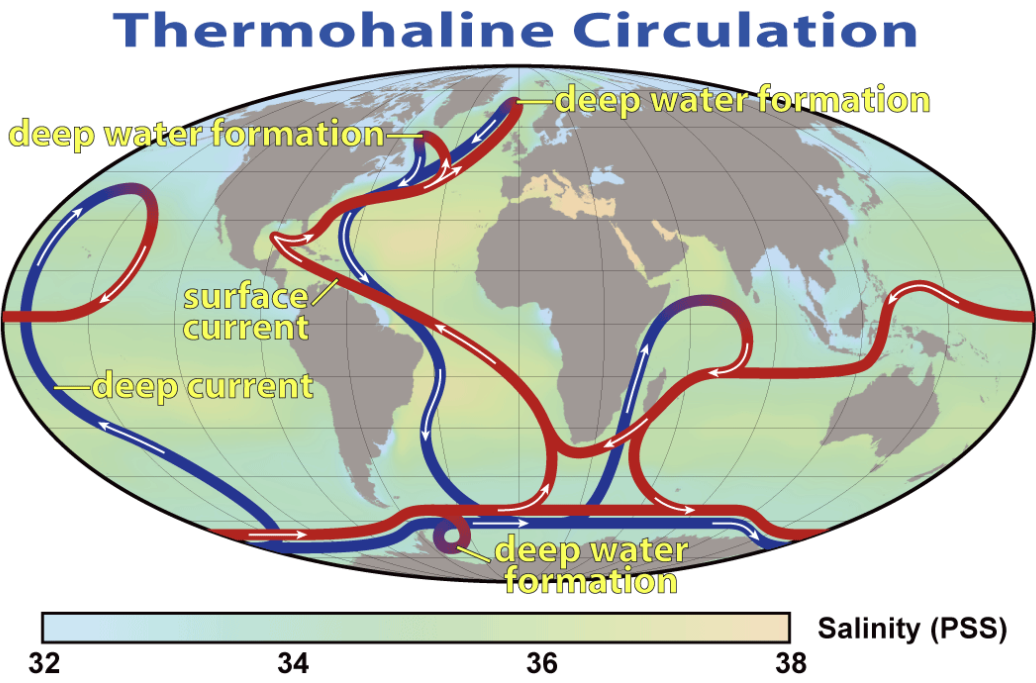
The Gulf Stream brushes past the western edge of Europe, keeping that side of Ireland and Britain warmer. If the Gulf Stream stalls, or slows down, this heat dissipation will slow too. Less heat will flow with the ocean current while more will release into the atmosphere.
Global warming will accelerate slightly during this period. However, this is unlikely to follow the predictions of the 2004 movie, The Day After Tomorrow. Instead, scientists at the University of China expect it will follow ‘a natural pattern with declines, flat periods, and increases over the decades’ according to the BBC. So no new Ice Age, thank the stars above for that.
Gulf Stream Slowing Is Part of a Natural Rhythm
Scientists at Ocean University in China have reconstructed the Atlantic Meridional Overturning Circulation system (Amoc) during the past 70 years. They discovered it exhibits a natural pattern of declines, flat periods, and increases over decades in a climate change cycle.
The Amoc carries warm tropical water to the North Atlantic where this sinks to the depths. The cycle takes cooler water back to the tropics to top the system up. The Atlantic Meridional Overturning Circulation system therefore plays an essential role in managing global temperature. Because it captures atmospheric heat and stores it over a mile down in the sea.
Therefore, say the scientists, it captures more atmospheric heat when it speeds up. However, when the Gulf Stream stalls, as it is doing now, it removes less. In this way, average land temperatures will rise slightly during the next two decades, although North Atlantic water will cool.
Related
Climate Change Part 15: Ocean Conveyor Belt 1975
Record High Temperatures Around the World
Preview: Topographic map of the Nordic Seas and Subpolar Basins


