

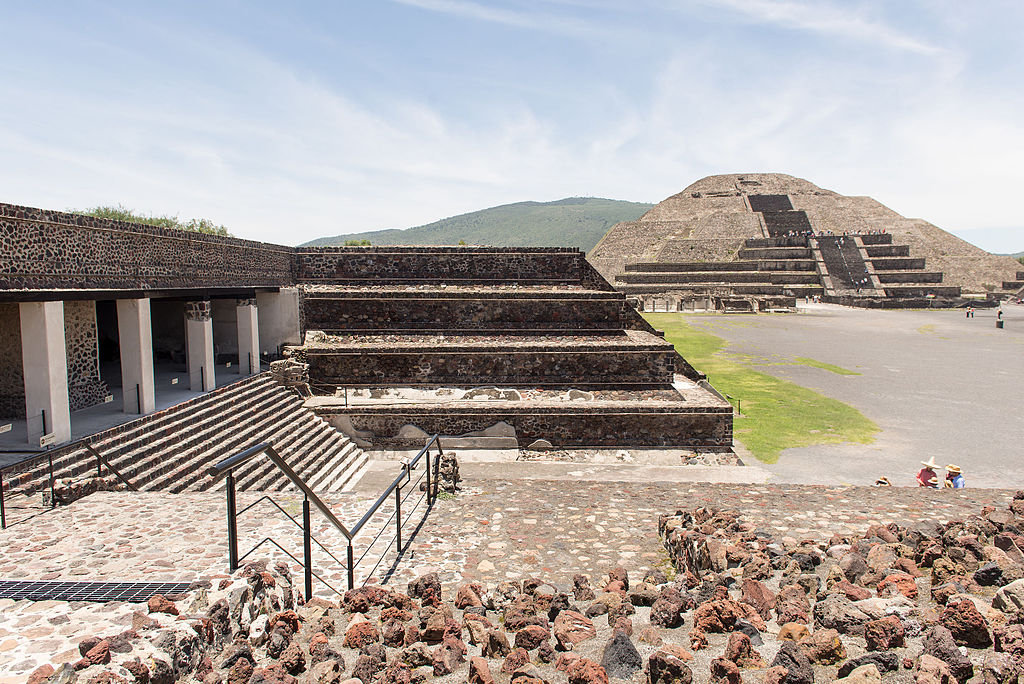
Mexico seemed so settled when the first European explorers arrived. The Rio Grande and the Sierra Madres blew their preconceptions away. While in the valleys and mountains, the Toltec and Aztec peoples lived in harmony with nature. However, the legacy of successive industrial revolutions is changing the environment, the geography, and the future of the place 120 million people regard as home.
Mexico City Staggers Under the Burden of Climate Change
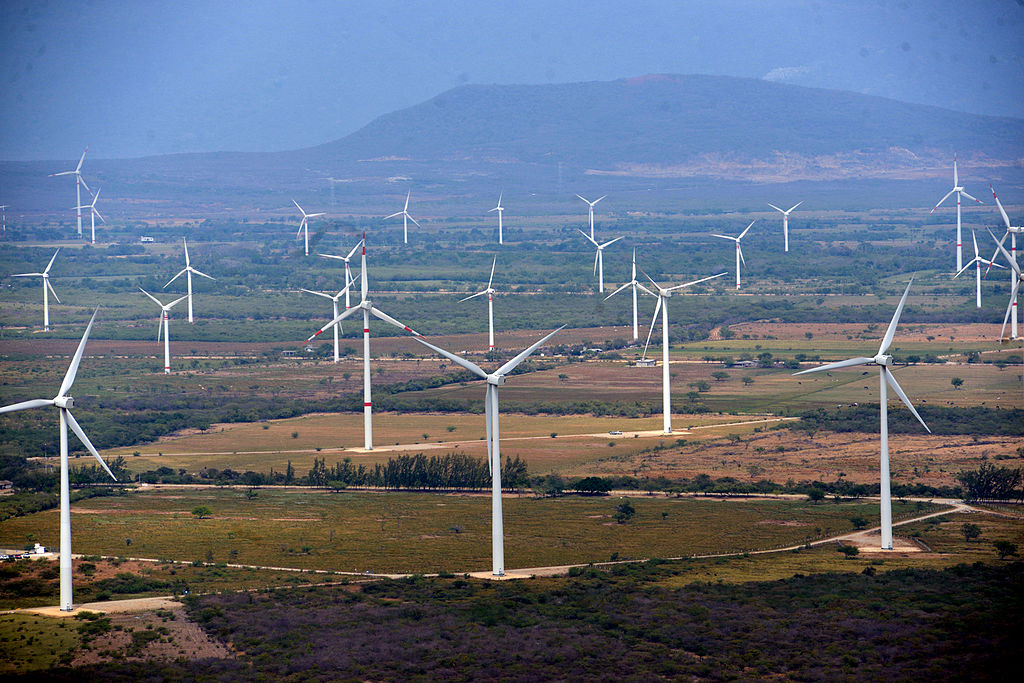
Hear what chief resiliency officer Arnoldo Kramer says. “Climate change has become the biggest long-term threat to this city’s future. And that’s because it is linked to water, health, air pollution, traffic disruption from floods, housing vulnerability to landslides.”
Moreover, things are no better in the countryside, particularly the heat. Because Northern Mexico faces an average 3 to 4° C rise (5.5 to 7° F) by the end of the century. In the south, the difference is likely to be 1.5 to 2.5° C (2.7 to 4.5 °F). Are a few degrees a big deal, the Climate Reality Project asks? The difference between 0 and 1° C is the difference between ice and water, it replies.
Agriculture, Water Security and Drought
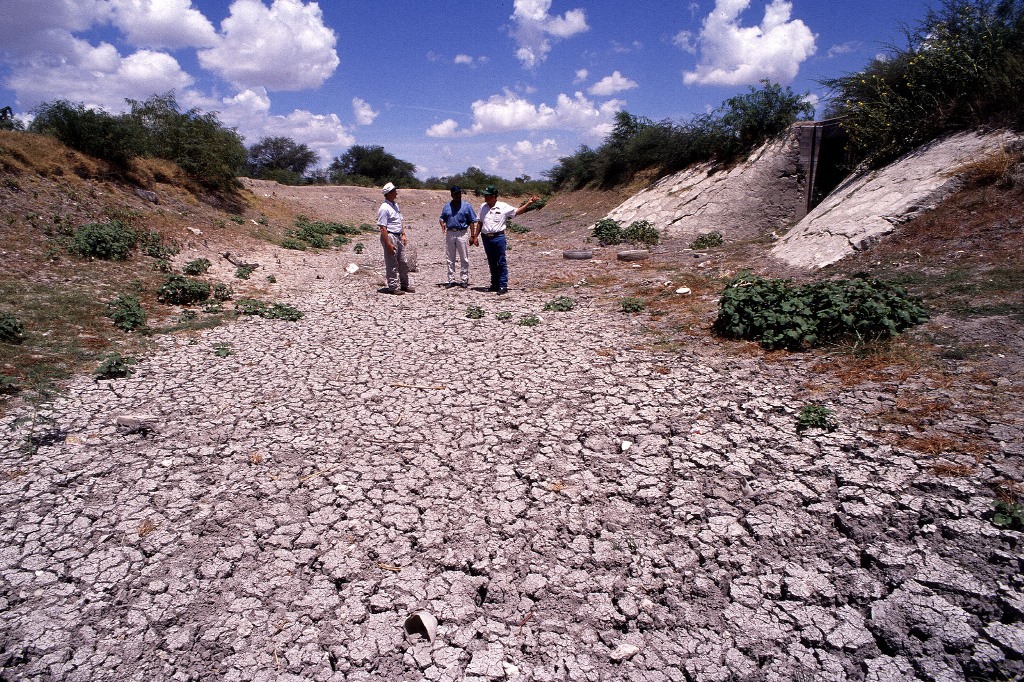
Climate Reality Project says millions of people face a water security threat. Mexico City once drank thirstily from giant lakes. Nowadays, the “Venice of the New World” imports 40% of its water. The rest comes from aquifers deep underground.
Water insecurity spirals into food shortages. In 2011, 1.7 million cattle died of starvation and thirst, as 2.2 million crop acres succumbed to the heat. Feel that pain. Imagine that happening in your country. The agony continues as the land becomes less suitable for growing crops. This situation may worsen by 40 to 70% within 12 years. The Climate Change Project thinks there may be no arable land in Mexico by the end of this century.
Arizona State University development economist Valerie Mueller says vulnerability to crop loss and agricultural job losses are driving much of the migration wave. Now we understand what is happening, what shall we do?
Related
Lose Control of Warming, Hothouse Follows
Climate Change Evidence: Global Temperature Rise
Preview Image: Pyramid of the Moon in Teotihuacán, Mexico1


