

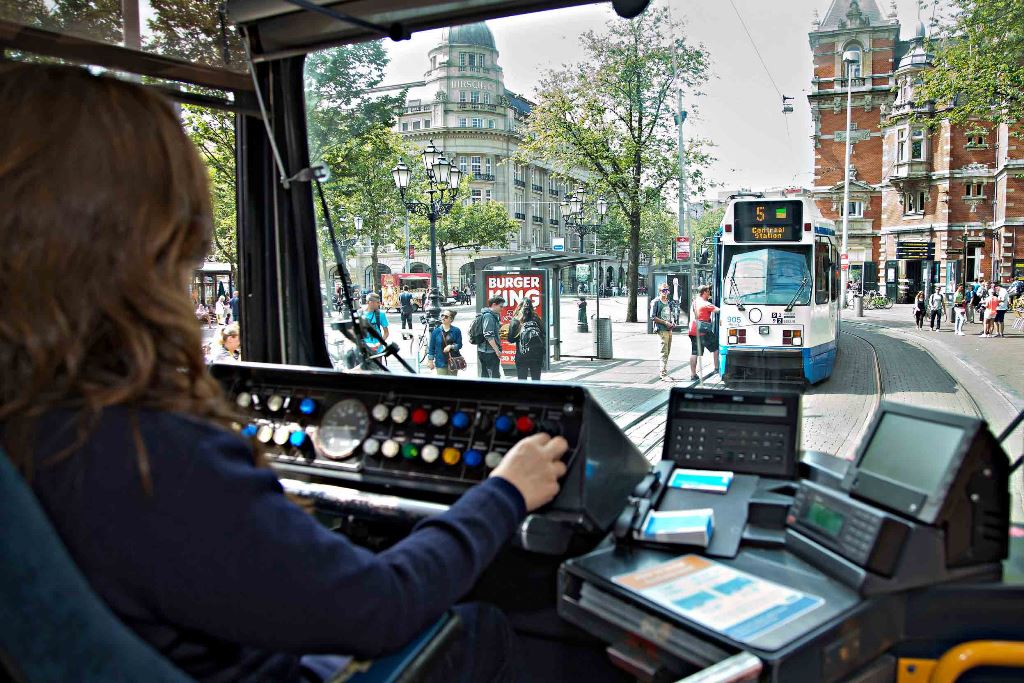
Dutch company Hoppecke builds lithium-ion batteries in 24- and 133-volt basic modules. Thus these base units can be used as separate blocks. Or deployed as a group comprising multiple modules to form a larger battery system. The lithium-ion modules are also available in high energy or high density versions.
UK Company Vivarail Does the Spadework in Hilly Scotland
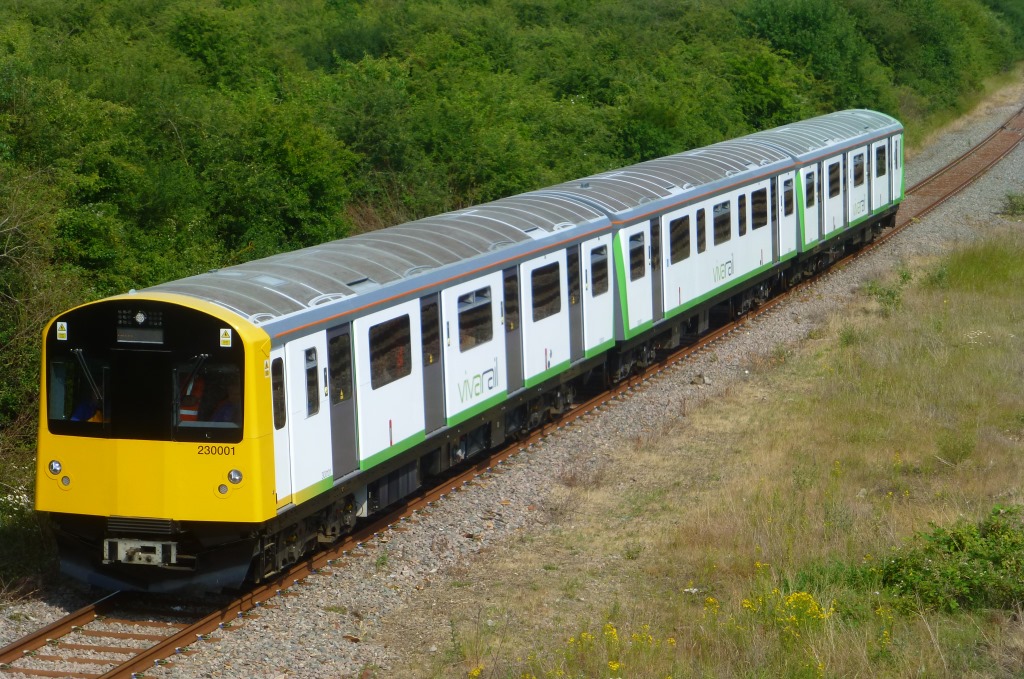
Vivarail has been repurposing old electric subway trains from London’s District Line, for use on national network lines. These will be where high speed is not a key requirement. Now it wants to spread its wings in a new direction, pure battery trains.
Vivarail ran a test in Scotland in October 2018. Its first all-battery train service transported hundreds of passengers over three days. This was in collaboration with Transport Scotland and ScotRail because they needed to provide support. A mobile charging unit accompanied the test train though hilly terrain, enabling it to collect performance data.
Hoppecke Comes to the Party with Its Batteries
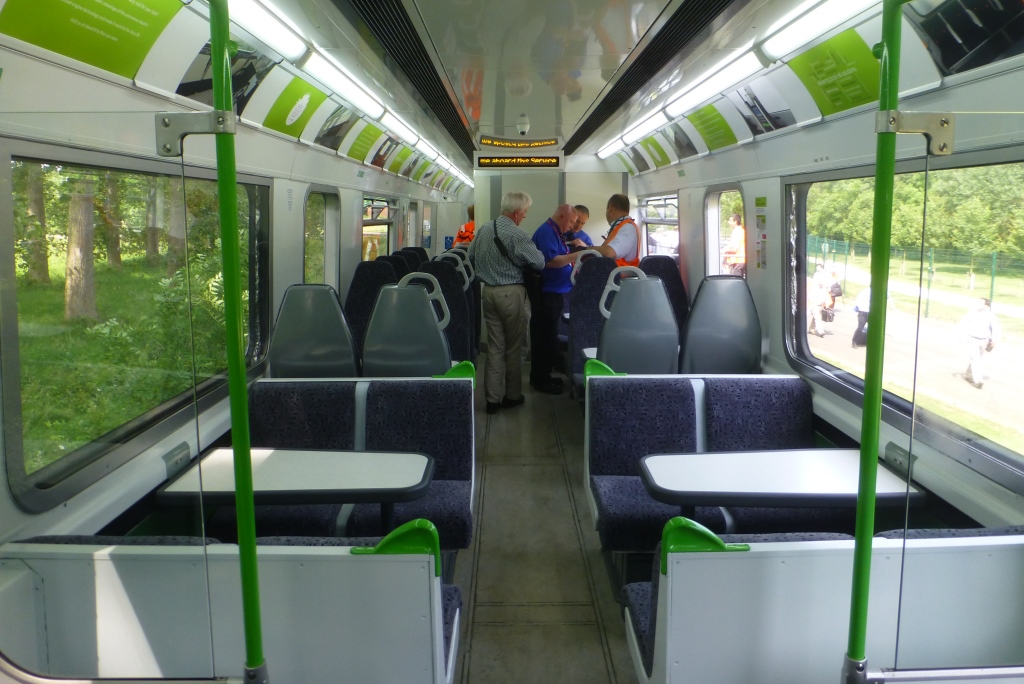
Vivarail concluded Hoppecke batteries were just what it needed for its proposed Class 320 battery train series, because they charge rapidly. However, these vehicles will only be three-car shuttles with a 65-mile battery range, yet still suitable for many UK routes.
Vivarail told Engineering and Technology it was already having ‘active conversations’ with various operators. It also used its patented automatic charging system for the October 2018 test ride.
We understand this sources its energy from existing electric train ‘third rails’. Alternatively it can draw power for charging from a ‘static battery bank’. In both cases, the system will automatically engage at ‘stop boards’.
These commuter trains running on rapid-charging Hoppecke batteries therefore show promise, especially for non-electrified rural lines. They would also be particularly suitable for urban services, because air pollution has become an issue there.
Related
Make a Simple Electric Train with Batteries
FlixBus Tests Electric Buses in Europe
Preview Image: Hoppecke in Action in Amsterdam


