


Australia has been experiencing unprecedented heat, especially in its Northern Territory state. Even Adelaide on the southern seaboard experienced 47.7ºC (117.8ºF) on Tuesday January 22, 2018. The previous week, rangers discovered scores of wild horses fallen victim to the Australian heatwave after their traditional waterhole evaporated.
Australian Heatwave Left Wild Horses with Nowhere to Go
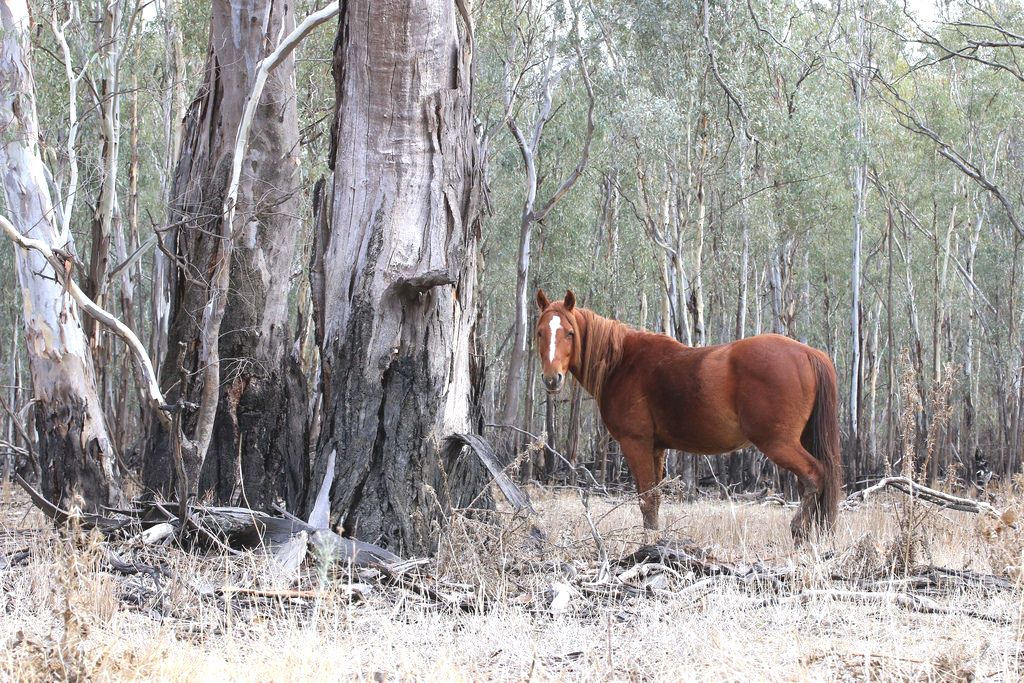
The rangers found 40 wild horses already overcome by starvation and dehydration. They had to cull a further 50 because the resources were unavailable to save them. This must have been a painful decision for men and women who dedicate their lives to protecting wild animals.
They expect to have to kill a further 120 wild horses, donkeys and camels dying from thirst. This is because “water normally there has gone and they have nowhere else to go”. We reported on the mass death of fruit bats caused by the Australian heatwave earlier in 2019. Searchers also found “up to a million fish” on river banks in the area. Authorities have admitted they are not “truly prepared and resourced” for the climate change.
Where to Now for the Brumby Wild Horses?
The name ‘Brumby’ may relate to the Aboriginal word ‘baroomby’ meaning wild, or to an early settler. Whatever the case the Brumby horses descended from escaped or lost horses belonging to settlers. Thus they are a blend of a variety of breeds.
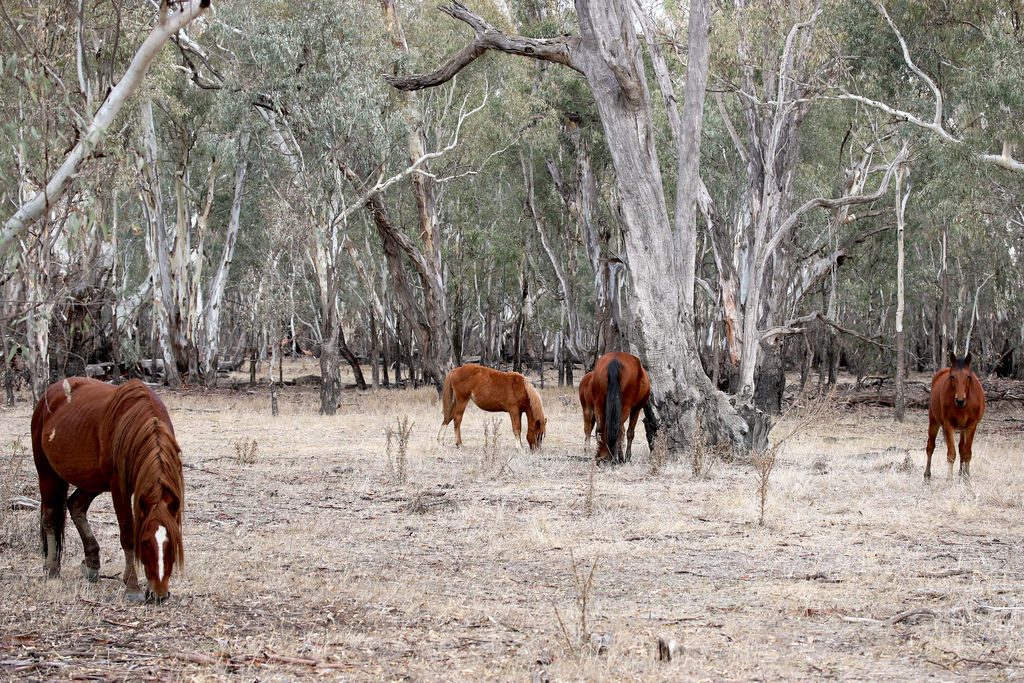
They are generally left to their own devices, although horse lovers do sometimes muster and train them. They are particularly hardy because their ancestors were strong enough to survive a voyage from Europe in a sailing ship. There are currently approximately 400,000 wild horses on the continent. Some purists would like to eliminate them because they say they damage vegetation and cause erosion.
That said, most Australians are content to let them be, probably because their resilience appeals to them. However, whether they are tough enough to survive an ongoing Australian heatwave in the Northern Territory is uncertain.
Related
Planet Earth Warming: Is This For Real?
Mali Has Fallen Off Our Radar Screens (ICRC)
Preview Image: Wild Brumbies at Cowombat in Alpine National Park


