


The three largest greenhouse gas emitters are in order China, United States, and European Union. They are also among the world’s richest countries, demonstrably because they benefited from extensive industrialization. Ironically these prime drivers behind global warming benefit from unusually hot years the most. That’s because one of warmings unfair consequences is it brings them closer to the ‘empirical optimum’.
Empirical Optimum’s Link to Warmings Unfair Consequences
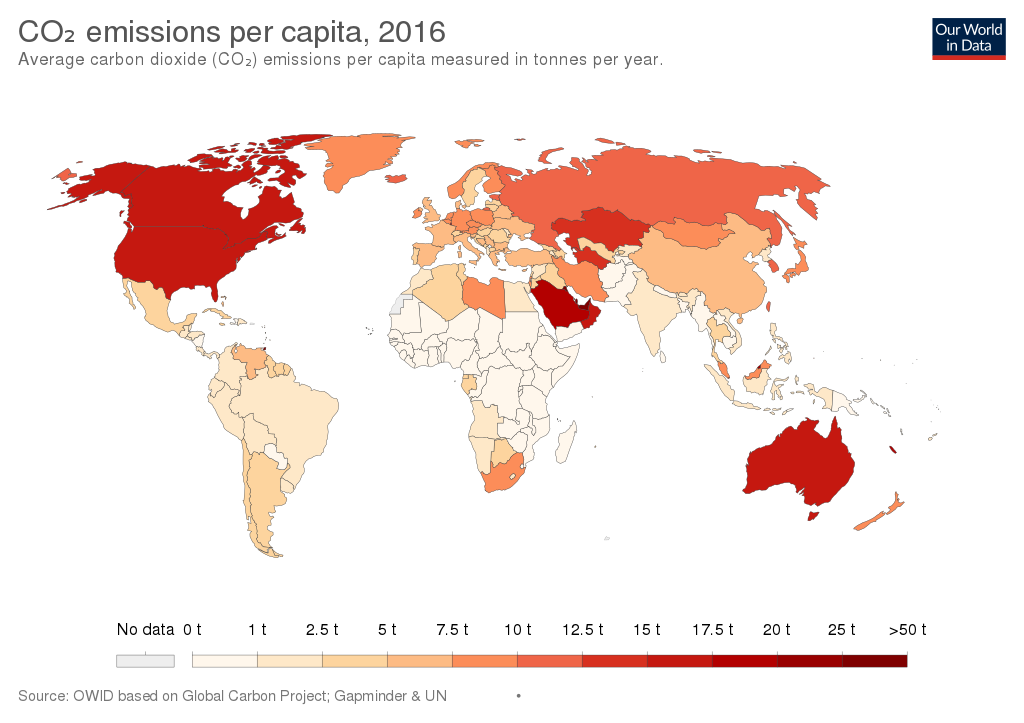
The empirical optimum is an average annual temperature of 13º C / 55º F. Stanford University researchers coined the phrase after they discovered countries near this optimum are more likely to have thriving economies. This is what happens to those three countries during hot years.
Moreover, the 19 countries with the highest carbon emissions have seen their economies grow an average 13%. Perhaps the greatest of warmings unfair consequences is the countries causing warming are doing rather well. “The historical data clearly show that crops are more productive, and people are healthier, researchers say.” As a result “we are more productive at work when temperatures are neither too hot nor too cold.”
Conversely, Countries Above the Empirical Optimum Are Worse Off
The Stanford researchers believe that countries along the tropics would have 24% larger economies “if it wasn’t for global warming”. Their world is 1º C / 1.8º F hotter than a century ago. Consequently “crops fail, economic productivity goes down and people get sick or die because of the heat”.
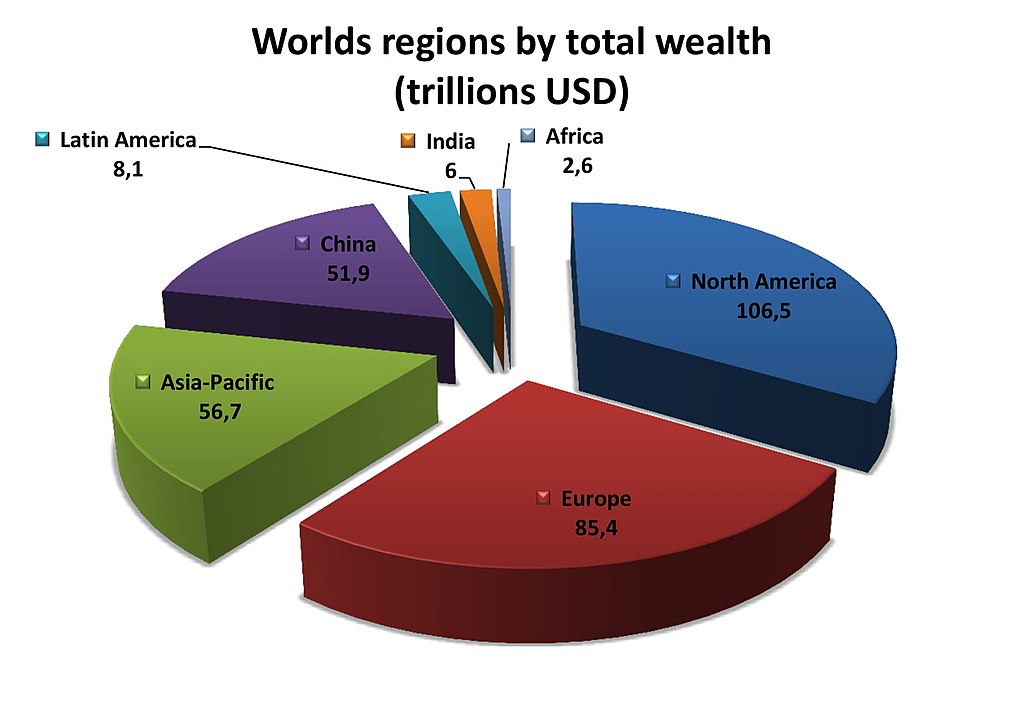
African countries further south have also grown poorer in the last 6 decades. India is 30% worse off, followed by Nigeria at 29%. South Africa has taken the brunt too and become 10 to 20% poorer. Another of warmings unfair consequences is wealthy countries can afford to do more to insulate themselves from extreme events.
That’s because they can afford to stock up on food and claim their losses from insurance. Neither of these options were available to poor people in Mozambique, Malawi and Zimbabwe before and after Hurricane Idai.
Related
Climate Change Warning from Central Banks
Earths Climate Derailed in Just 160 years
Preview Image: Searching for a Hurricane Idai Victim in Zimbabwe


