It had to happen eventually. There have been one too many thermal runaways with lithium batteries for us to permanently rely on them for grid storage. We feel ripples of excitement as Canadian vanadium flow finds a site in South Australia for the ultimate litmus test. Canada’s CellCube Energy Storage Systems and Pangea Energy have finally declared their hand.
Vanadium Flow Finds Synergy with a Mega Solar System
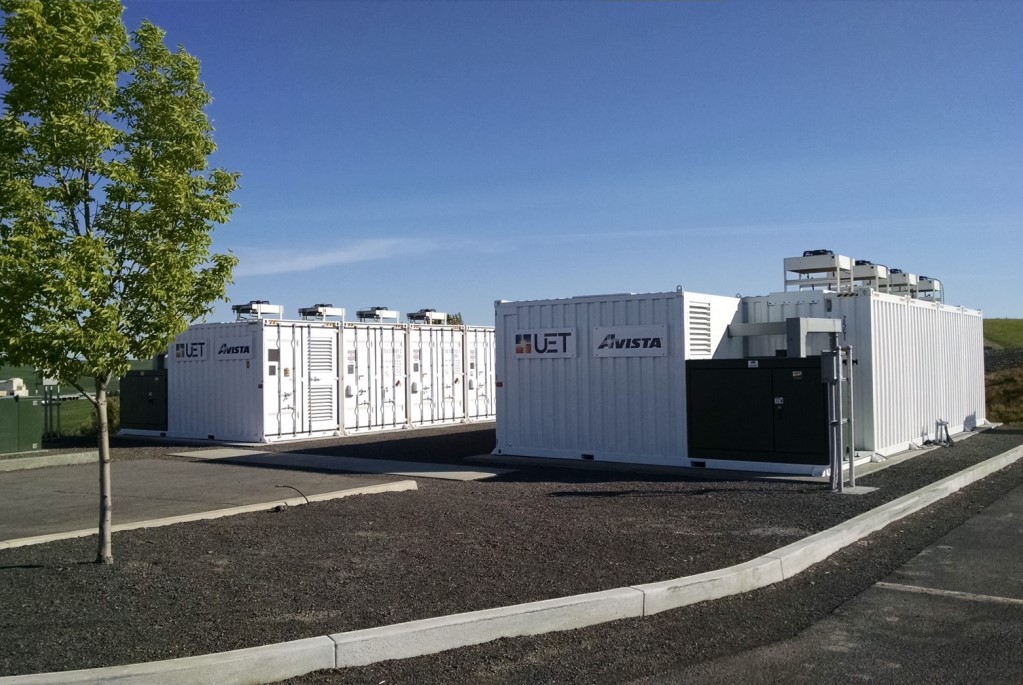
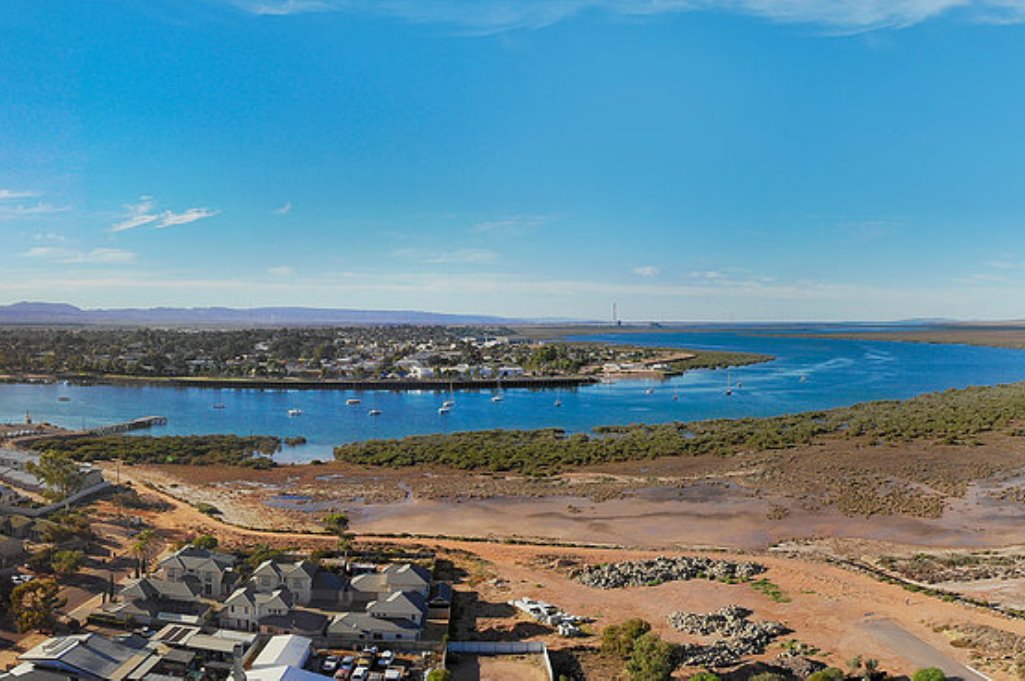
CellCube and Pangea Energy are planning a 50 MW/200 MWh storage system in Port Augusta, South Australia. Port Augusta is on the east coast of the Spencer Gulf 200 miles north of Adelaide. It was once a port, now it is home to the Aurora Solar Power Project intended for completion in 2020.
PV Magazine says vanadium flow finds uses there as a multiple application solution. It will offer voltage compensation, reactive power and frequency regulation to the grid. Furthermore it may also buffer power from the Aurora Solar Power Project. The main participants hope redox flow will prove the preferred solution for long-term grid-scale energy storage.
Significant Timing in the South Australia Energy Life Cycle
Longer-lasting vanadium redox batteries are proving their mettle against fossil generation and potentially-unreliable lithium. That’s because their long life makes them more practical to integrate with main transmission lines. Moreover, Australia has vast vanadium resources and this does make a difference to the potential.

That’s because many other countries have to import vanadium for their flow batteries. Therefore this has made them historically less competitive.
However vanadium flow finds a competitive edge in Australia the industry has been waiting for.
Open competition has been the key to economic development in North America and Europe that outstripped the world. The Pangea Storage Project is nearing completion and should be ready for testing in late 2019.
Related
South Australia Betting on Batteries
Vanadium Flow Batteries In Rural Areas
Preview Image: Port Augusta Vanadium Flow Storage Site