Battery technology slumbered in the public mind, until it started powering tramcars in city streets. Not many folk remember some of the earliest autos ran on a lead-acid battery until the gasoline engine took over. Those engines were heavy and hard to crank into life compared to electric switches. Battery technology came to the rescue again with self-starters. Without batteries where would we be today?
Without Batteries Where Would Portable Devices Get Their Power?
If there were no batteries, then there would be no cellphones, no laptops, no pocket calculators and no transistor radios. Without a battery where would we receive our daily messages and news?
Would we have to stay in one place all day long, attached by a keyboard and mouse to our desktop? If the grid went down we would be back to square one, trapped in silence and darkness on our own. Battery science brings us two of technology’s greatest gifts. These are portability and knowledge. Without batteries where would we be … somewhere back in the 19th century perhaps?
Small Battery Cells Are Mighty Powerhouses of Energy
Someday soon all batteries will absorb their energy from the tides, from the wind and from the sun. They will patiently wait for us to connect them to a device, and then flick a switch. Then the battery will slowly convert the power in the chemicals inside into electricity flowing through the device.
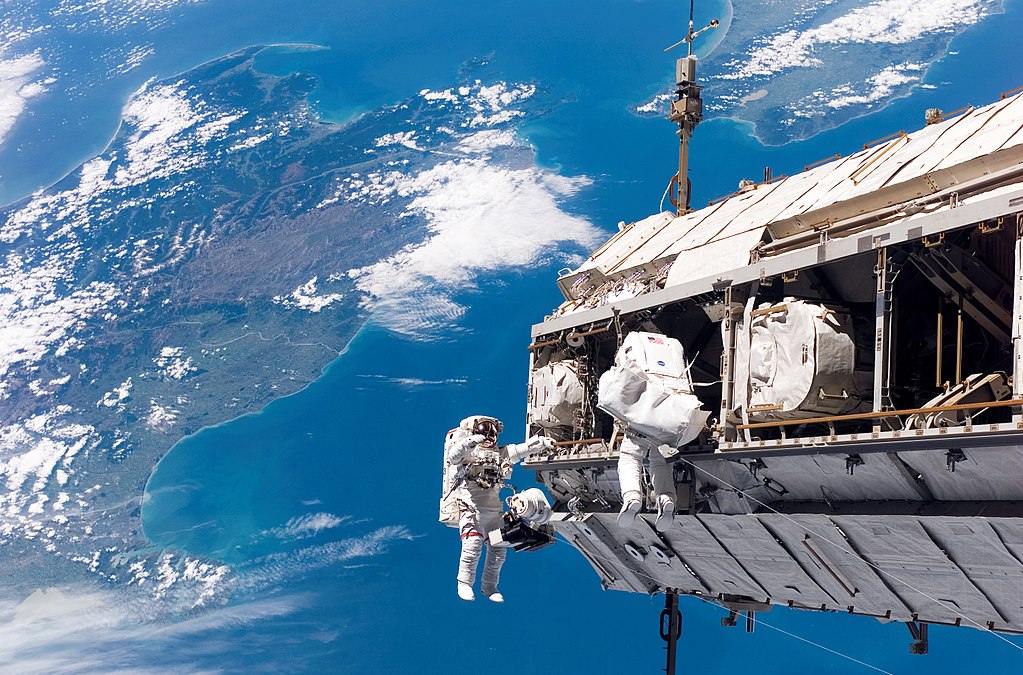
Without an energy storage device on board, where would the energy come from to power the probes streaking through space in search of new frontiers of knowledge?
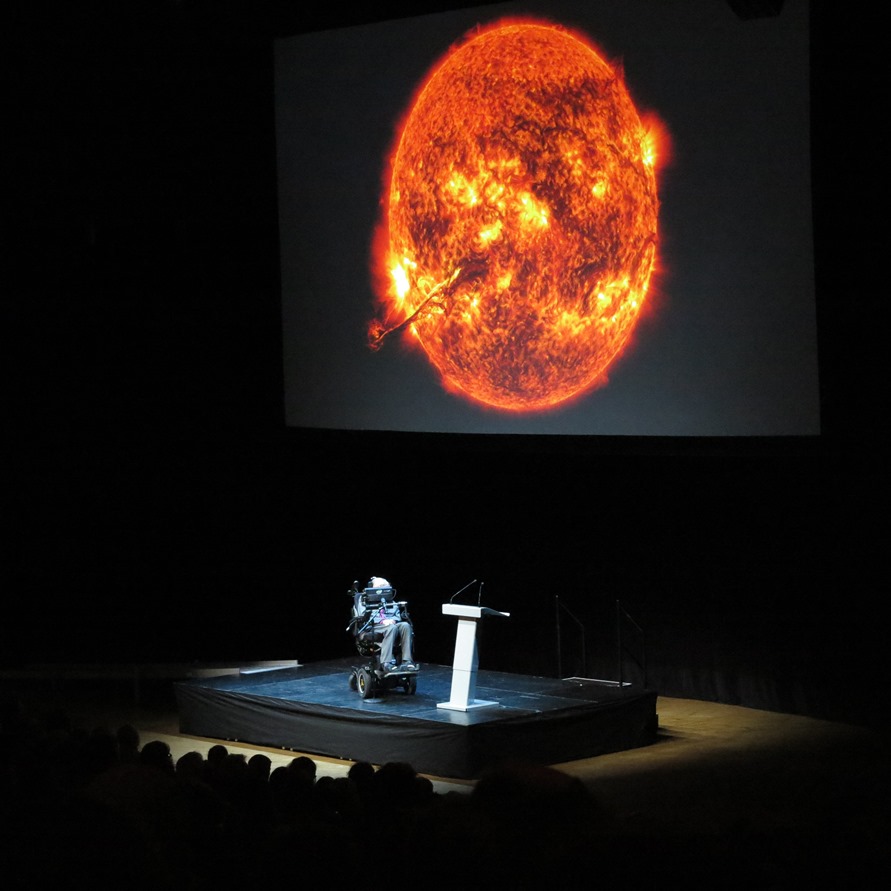
How could Stephen Hawking have explained the nature of space and time to us without batteries to power his communication devices? Our world would truly be a poorer place without batteries by our side.
However, batteries greatest gift ever may be empowering us to turn off coal, gas and nuclear power stations. And allowing us to live greener, cleaner, and safer lives by using the energy in the elements instead.
Related
How Batteries Work – A Brief Introduction
Batteries Will Help Search for Life on Titan
Preview Image: International Space Station Assembly