

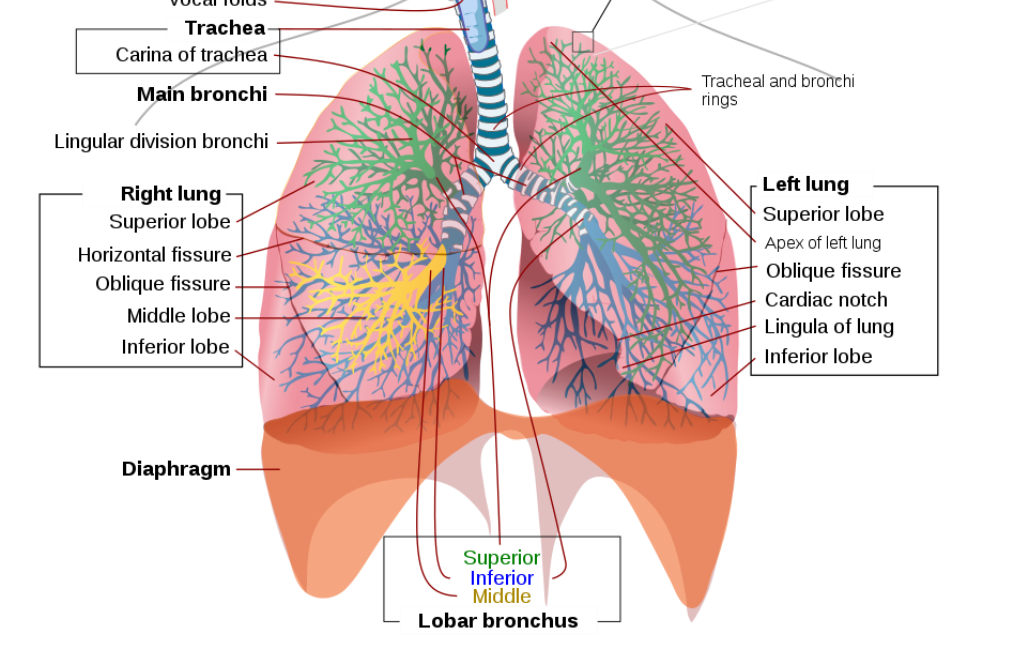
We have reached the point where we understand where Covid-19 came from, and how it spreads. We also know how to reduce cross-infection transmission. The remaining challenges include treating the symptoms to increase the chances of survival. Respiratory difficulties developing into pneumonia are perhaps the biggest remaining problem. Now researchers in New York say their artificial intelligence AI predicted respiratory disease developing using a computer model.
How AI Predicted Respiratory Disease Developing with A New Tool
NYU Grossman School of Medicine and Courant Institute of Mathematical Sciences at New York University had the lead. Although we must mention this was in partnership with Wenzhou Central Hospital, and Cangnan People’s Hospital, both in Wenzhou, China.
The research team first drew together demographic, laboratory, and radiological data from Chinese hospital patients who developed acute respiratory symptoms. However all had mild Covid symptoms initially, including cough, fever, and stomach upset. Then the researchers novel AI predicted respiratory disease developing among them when they back fitted the data.
The Surprising Correlations Artificial Intelligence Unearthed
Moreover, the multinational research team discovered lung images, fever, and strong immune responses did not predict lung disease. Instead, contrary to accepted opinion liver enzyme level, reported myalgia muscle pains, and hemoglobin levels were more effective indicators.
However, and we must underline this, these findings are from a single, unconfirmed study. Smoking could be another factor. Only two of the 33 patients at Wenzhou Central Hospital reported smoking and they had quit. But, the small data set is not reliable statistically.
None the less this is a break though. That’s because it challenges traditional thinking regarding the drivers of acute respiratory syndrome in the context of Covid-19. We hope our artificial intelligence tool will help physicians assess mild patients when fully developed. So says co-author Anasse Bari, PhD, clinical assistant professor in Computer Science at Courant institute.
Related
New Breathing Device at Formula 1 Speed
If We Show Covid-19 Symptoms What’s Next?
Preview Image: Human Respiratory System


