

There are two different death rates from the virus, and this may cause confusion. The first refers to the number of people who tested positive for the disease and died, in other words the case fatality rate. The second is the infection fatality rate, which is a proportion of the total estimated number of cases. The Covid-19 fatality rate varies depending on which method we use.
We Don’t Have a Head Count so the Covid-19 Fatality Rate Varies
The fatality case rate is an absolute because it is the number doctors are absolutely sure died from the disease. Whereas the infection rate is a guess in which biases and errors may compound. Martha Henriques provided this example for BBC Future.
Let’s say for example 100 people show symptoms of the viral infection. Ten have it so badly they go to hospital where all actually test positive, but only one dies. The case fatality rate would therefore be 10%. However the overall fatality rate would be just 1%. That’s possibly the reason why the Covid-19 fatality rate varies between countries.
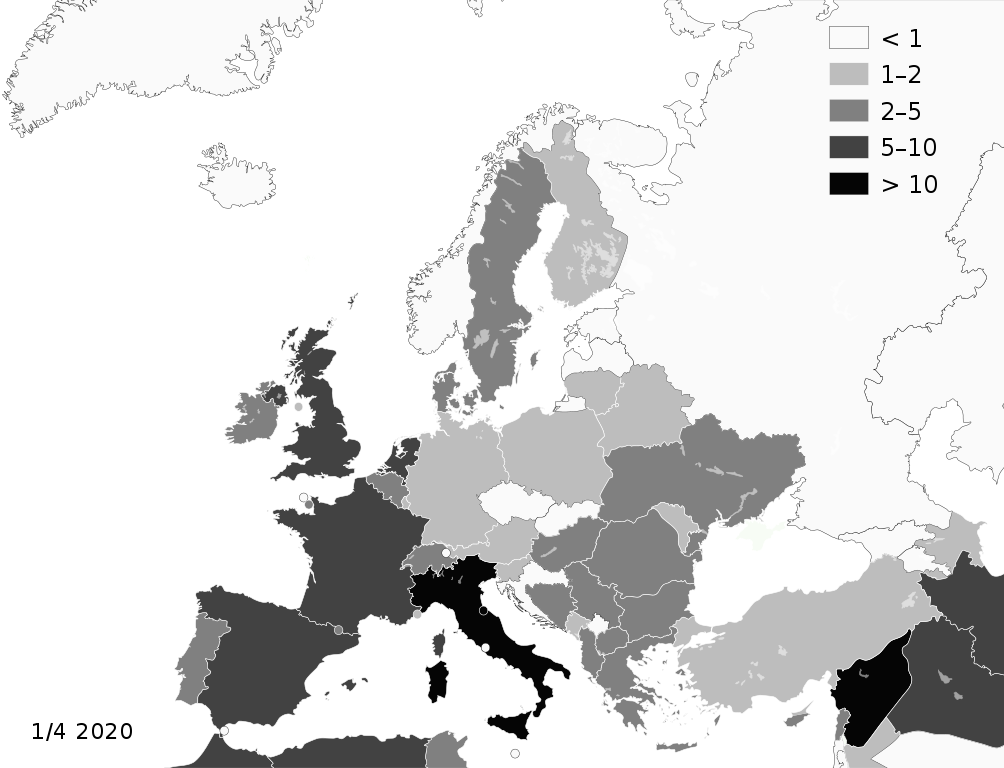
Is This Why the Italian Death Rate is 11% but Germany Only 1%?
It could be partly, although median age, average life expectancy, and quality of health care are factors too. However, Dietrich Rothenbacher, director of Institute of Epidemiology and Medical Biometry at University of Ulm says the main reason is the lack of systematic testing in most countries.
The United States allows doctors some discretion when reporting deaths according to Martha Henriques. She says they must record whether their patient ‘died of this illness’. If a heart attack killed a patient in intensive care for Covid-19 what is the correct answer, we wonder?
The Covid 19 fatality rate varies between 2 to 3% according to The Hill. However, a new study in The Lancet Infectious Diseases Journal statistically estimates China averaged 1.3%, with a strong age gradient favoring younger people. The researchers’ small sample included 24 deaths in mainland China and 165 recoveries outside that country. So it”s not what we’d call a definitive statement either.
Related
How to Protect Your Family from the Virus
AI Predicted Respiratory Disease Developing
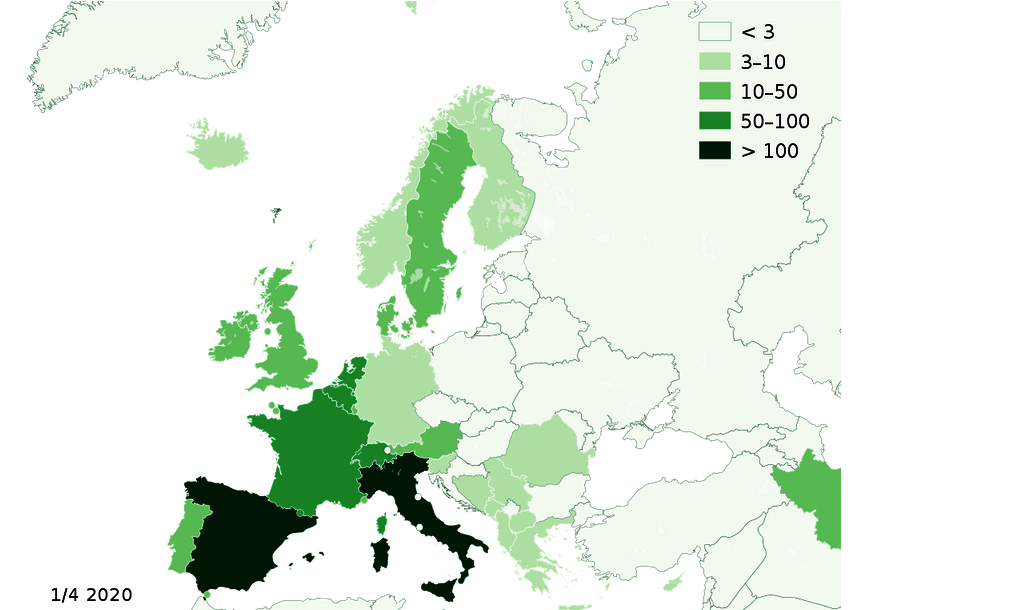
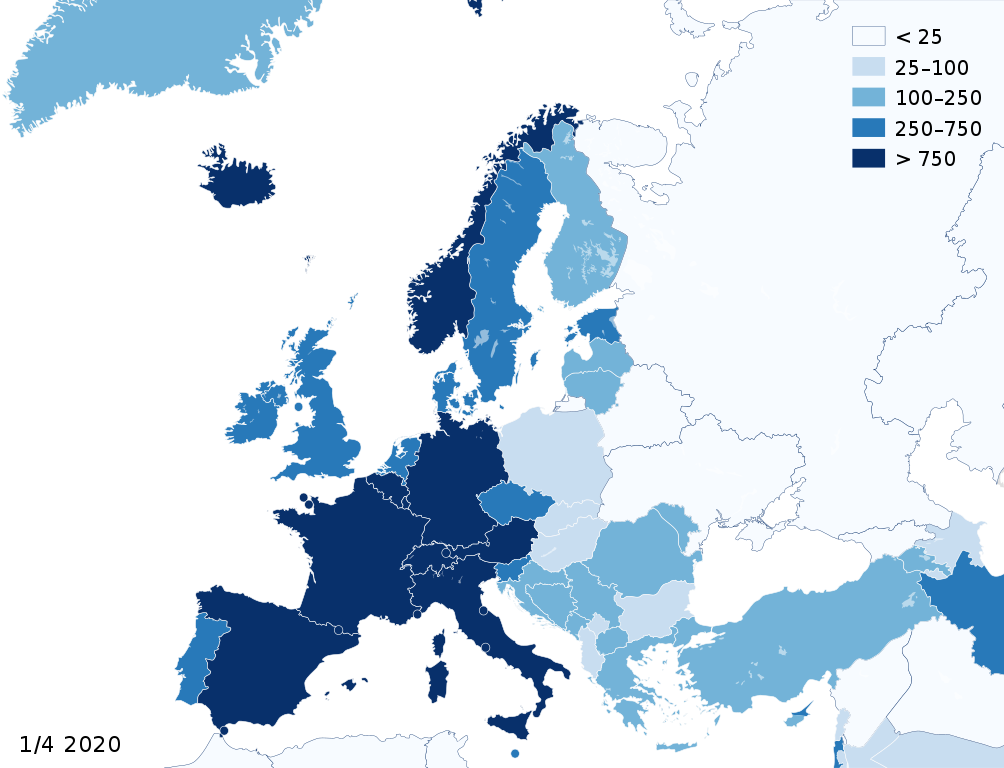
Preview Image: Cumulative Number of Deaths per Million


