

Centers for Disease Control recommend a two-pass approach to disinfecting work space when returning after after a break. Their method applies equally to schools, homes, churches, and businesses. First, we should clean everything we can with soap and water. Then we should disinfect surfaces we touch frequently, like door knobs, light switches and so on.
Chemicals for Disinfecting Work Space When Returning
CDC suggests using an approved EPA disinfectant to outwit the SARS-CoV-2 virus. See the link below for more information about these. If none are available, then we can fall back on these two options:
1… One-third cup of bleach added to 1 gallon of water
2… A commercial 70% alcohol solution as the label directs
The bleach solution should remain active for 24 hours, while the alcohol will soon evaporate. Some luxury items may be removed completely to speed the process. This also helps avoid damaging valued fabrics / surfaces with chemicals.
Several More Things to Consider when Returning to Work Space
If your work space has been standing empty for more than seven days, then CDC says you only need soap and water. That’s because there is no evidence of the virus surviving that long on a surface.
Continue with routine cleaning after disinfecting work space when returning. Soap and water are a good start, but you will need to re-disinfect frequently-touched surfaces. The regularity depends on the level of use. For example, keypads and communal trolleys need disinfecting every day.
A clean workplace does not mean we can do away with safe practices. Any one of us could arrive at work not knowing we have the infection. Social distancing, frequent hand-washing, wearing face coverings, and not touching faces are all part of a temporary-normal that will be with us for a while longer.
Related
General Guidance for Workers and Employers
Face Coverings and Employer Responsibilities
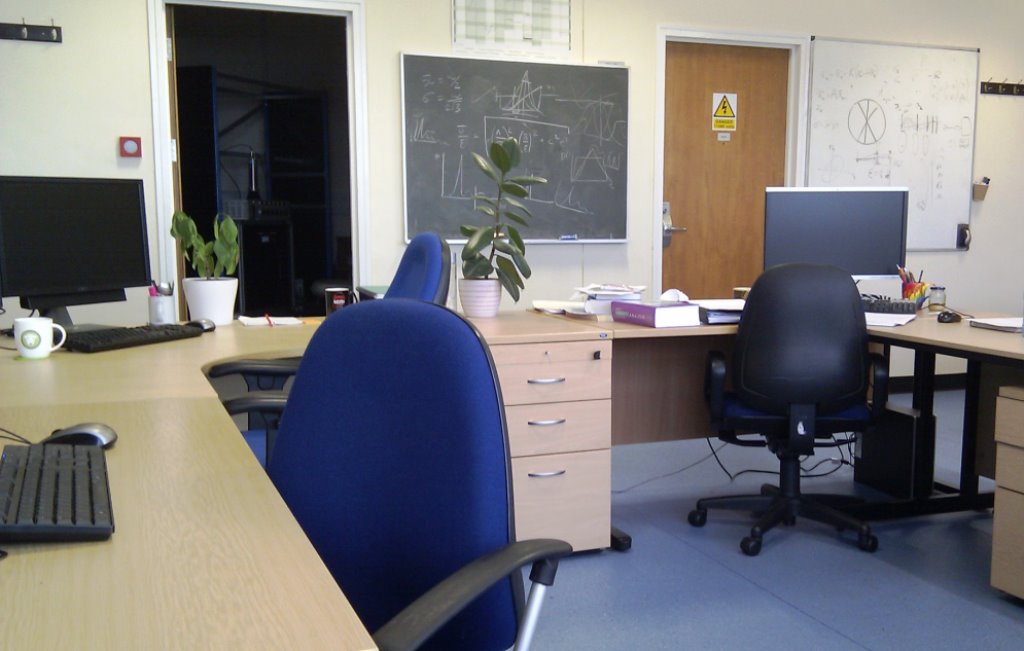
Preview Image: An Office Standing Empty


