

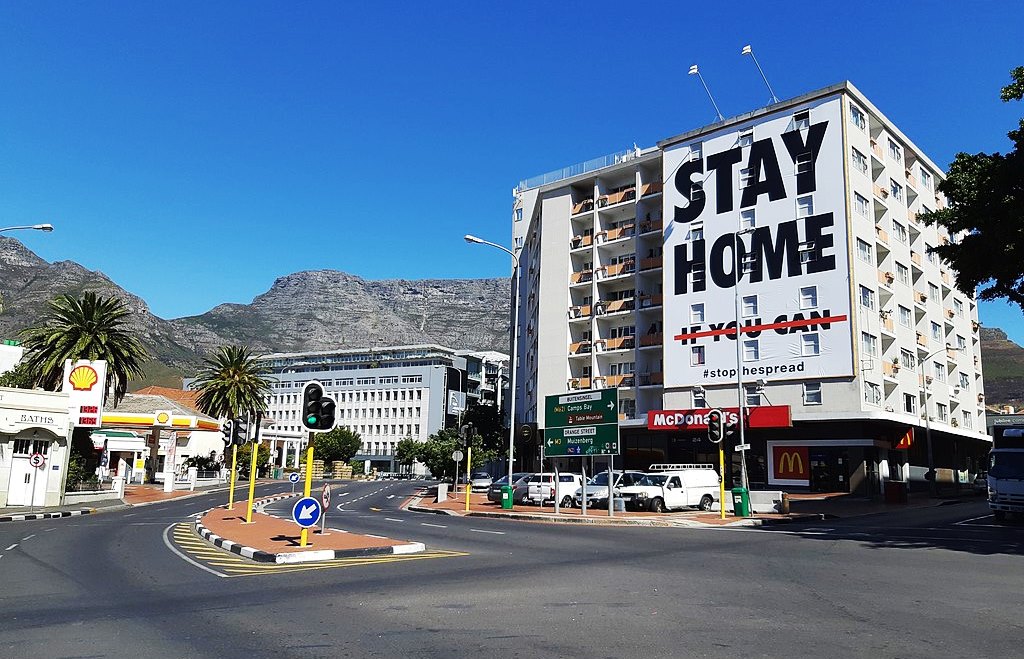
South Africa succeeded in damping down the first wave of the coronavirus at huge cost to the local economy. However with the second wave rising, its approach is more selective. It could be said most of the population has decided ‘this is not my disease’ on the basis of the lack of precautions in public open space. Meanwhile, South Africa’s winding COVID-19 road is continuing to surprise.
South Africa’s Winding COVID-19 Road Is Very Different
BBC Africa correspondent Andrew Harding chatted with Dr. Portia Mutevedzi about results of community anti-body tests. She is senior epidemiologist at Chris Hani Baragwanath Academic Hospital in Soweto Johannesburg with population density of 16,000 per square mile. Andrew Harding found something unusual as he followed South Africa’s winding COVID-19 road.
1… South Africa has a potentially higher infection rate than some European nations
2… Yet its mortality rate is only half that of other worst-affected countries
3… Antibody tests previously suggested a 25% infection rate in some areas
4… Yet participants in a recent COVID-19 vaccine trial returned a rate of 35%
5… And then almost unbelievably people living with HIV in Western Cape hit 42%
Andrew Harding says scientists suspect the real figure could be even higher in some regions. This is given the likelihood of false negatives as antibodies disappear over time.
There Are Signs of a Similar Pattern in Africa
Africa makes up 17% of the global population, yet only 3% of COVID-19 deaths. This could well be higher if we factor in excess mortality from other causes. But the new UK virus strain has arrived in the country and things could change.
Dr. Portia Mutevedzi and her team believe the lower historic death toll may be due to people living in high density areas. Where they may have developed stronger immunity because of greater prior exposure to other chest diseases.
Prof Helen Rees, prominent vaccine expert at Wits University thinks the driver may well be previous respiratory diseases. It’s a high probability, agrees Prof Shabir Madhi who is leading a key sero-prevalence survey in South Africa’s largest industrial hub.
Related
South Africa Flattened Its Covid Curve Quickly
High Antibody Rate Among South Africans
Preview Image: Lockdown During First Wave


