Researchers in Melbourne, Australia announced a breakthrough on July 13, 2021 in Nature Communications. Their scientists have found a way to block Coronavirus replication in their lab. Therefore this has huge implications for taming the pandemic. However, they have a long way to go before they can begin to speak of a practical treatment.
Why So Long, Why Can’t They Just Get On With It Now?
First, the Melbourne scientists only prevented COVID-19 viruses replicating in their laboratory. But, if science could do this in humans, then the infection could not spread. We could save countless millions of people dying from the disease. However, if there were a flaw in the treatment it could trigger mutations in other cells.
This is why science follows a program of peer group validation, followed by tests on animals with similar DNA to humans. Only then can a preliminary test follow on a small group of carefully selected volunteers. Once everything checks out, large scale clinical trials can begin. This can take a year, meanwhile the scientists who blocked coronavirus replication in their lab must wait patiently, because side effects can take a while to show.
How the Scientists Blocked Coronavirus Replication in Their Lab
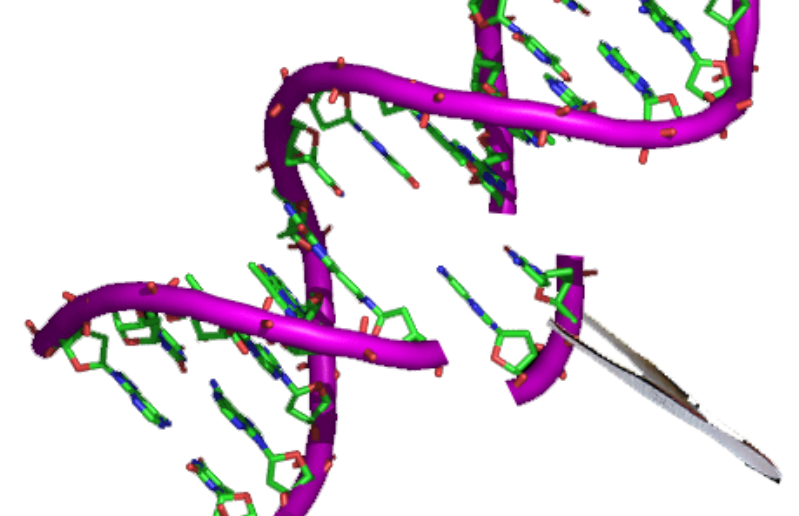
The Australian researchers used an established technique, namely CRISPR gene-editing technology. This is a laboratory tool that enables chemists to edit DNA strands. And it is similar to how bacteria target, and destroy genetic material of malignant viruses.
The laboratory team targeted the RNA of the coronavirus at chosen points using the CRISPR-Cas13b enzyme. After the enzyme locked onto the virus, it destroyed that part that enables it to clone itself.
‘Once the virus is recognized, the CRISPR enzyme is activated and chops up the virus,’ study lead author Dr. Sharon Lewin, of the Peter Doherty Institute for Infection and Immunity at the University of Melbourne told France 24 News.
CRISPR gene-editing technology has active applications in food and farming industries. For example, it engineers probiotic cultures in yoghurts, and changes mosquito DNA so they cannot transmit diseases such as malaria.
Related
Rogue Antibodies in the Blood of Long COVID
Why People With COVID-19 Get Diabetes
Preview Image: A Genetically Modified Organism