

U.S. Food and Drug Administration announced approval of the Pfizer COVID vaccine for young children on Friday October 29, 2021. This means kids aged 5 to 11 may in principle receive it. However, doctors are holding back until U.S. Centers for Control announces administrative procedures. The Pfizer vaccine is edging closer for kids but we are not there yet.
Why the Delay in Roll Out of Pfizer for Kids?
In a word, out of an abundance of caution. Food and Drug Administration’s approval is for a smaller, 10 milligram dose compared to the 30 milligrams for older people. This is an indication it knows we have to be careful with tender young bodies. Moreover, there have been isolated incidents of heart inflammation following larger doses, especially among young men.
The Food and Drug Administration said it hoped a lower dose ‘could help mitigate some of the rare side effects’. However, the ‘known and potential benefits of the Pfizer vaccine in individuals aged between 5 and 11 outweigh the risks’. The children’s version of the Pfizer vaccine incorporates a new buffer allowing refrigerator storage for up to ten weeks.
Edging Closer to a Pfizer Vaccine for Kids
The symptoms of COVID-19 tend to be more severe among older people, although there are exceptions. However, infected people can still pass the virus even if they show no symptoms. The pandemic has disrupted school education worldwide. We cannot afford a lesser-educated generation.
Therefore, we do need to include all age groups in the vaccination program. That’s because vaccination is the only proven way to reduce the infection rate, and slow the pandemic. It may be frustrating to know we are still only edging closer to a Pfizer vaccine for kids. However, it is also comforting to know their future is in good hands.
Breaking News
CDC Extends COVID Rules for Cruise Ships
Travel at Your Own Risk During COVID-19
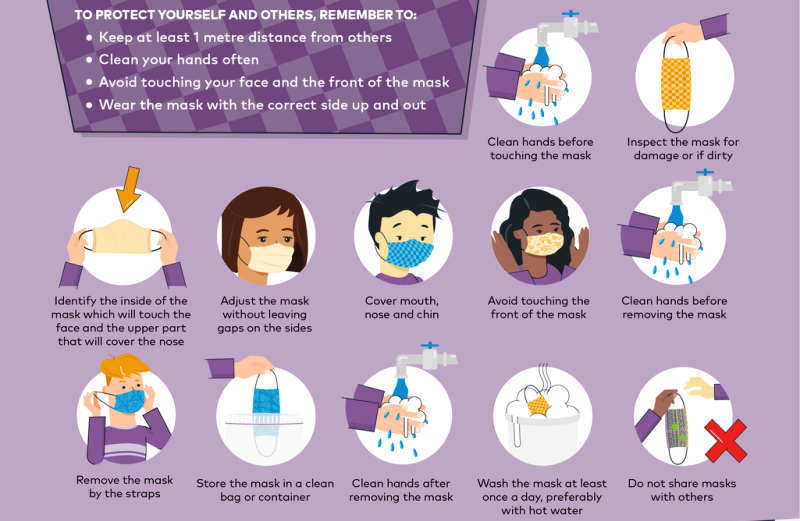
Preview Image: How Kids Wear Face Masks


