Camille Faure was a French chemical engineer who discovered a way to make Gaston Planté’s brilliantly impractical invention commercially feasible. Planté may have established the principles of rechargeable lead batteries. However, Camille Faure settled lead battery design in 1881.
The Lead Plates Were the Secret to Success
Camille Faure settled lead battery design leading to commercialization, by discovering a method to coat lead plates. First, he applied a paste of lead oxides, sulfuric acid and water. And then he cured this by gently warming the coated plates in a humid atmosphere.
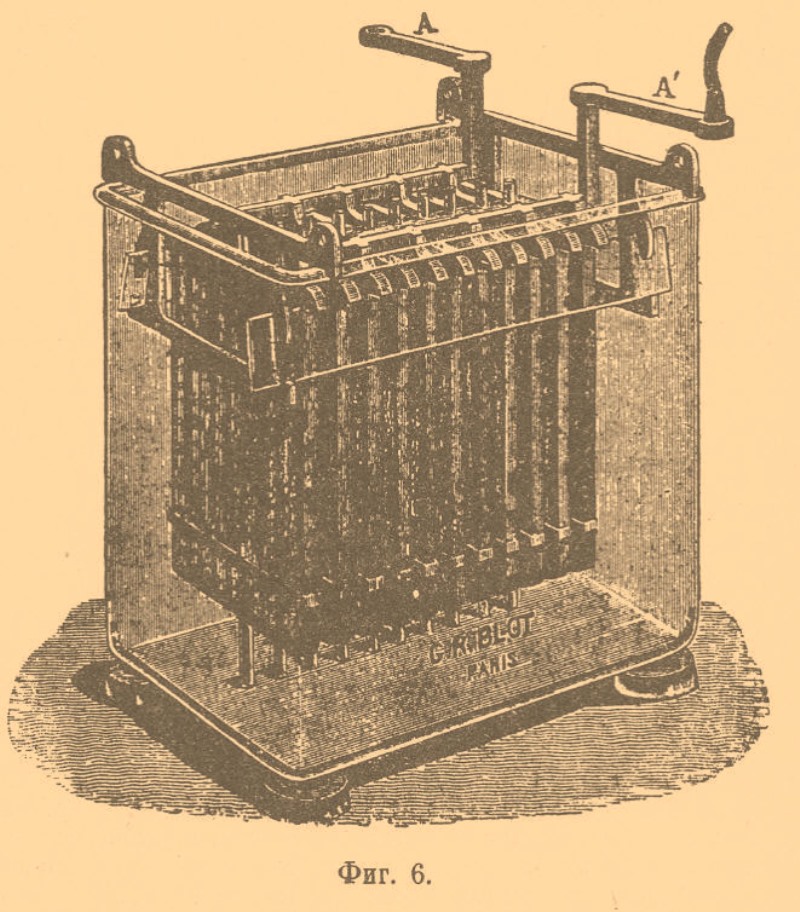
The curing process chemically altered the paste to a mixture of lead sulfates that attached to the plates. This became chemically active when Faure charged his invention. Moreover his innovation increased lead battery capacity considerably.
Fierce Competition After Camille Faure Settled Lead Battery Design
Faure next applied for a patent over his invention in 1881. However, the French government issued it in the name of the Société La Force et la Lumière instead. We were unable to discover the reason. However, we do know the Society was investigating generating electricity from an artificial waterfall.
But those rights were however sold on to the Faure Electric Accumulator Company in London on 29 March 1881. The firm then engaged Faure as consultant engineer suggesting he was losing control over his ideas. The Faure Electric Accumulator Company subsequently went ahead with plans for electric batteries for lighting and other purposes.

But fate still had one more card to play, when Faure’s paste became unstuck after repeated use. A patent war erupted as other companies entered the market with improvements. A new contender, Electrical Power Storage Company acquired patent control, and became the first manufacturer of electric batteries in the world.
Related Posts
The First Rechargeable Lead Acid Battery
Poggendorff Brought Stability to Cell Research
Preview Image: Early Electric Car Battery
Camille Faure’s Original Patent Application