

Diesel freight trains shift 28% of U.S. freight, especially coal, lumber and ore according to Clean Technica. This volume will increase as gasoline vehicles phase out. Coal and ore are major contributors to global warming. This brings the spotlight down on the industry. However, rapid conversion to battery freight is feasible and we could do it now.
U.S. Agrees to Curtail Freight Rail Emissions
The U.S. agreed to curtail shipping emissions, and find zero-emission solutions for freight rail transport at Climate Change Conference 2021. However, the latter goal is complicated by the fact all freight train locomotives are still diesel. Why is this the case?
This is so because fully-electrified lines are impractical across wide, sparsely populated spaces. However, U.S. does still have a head start because its locos have electric motors at drive wheels. This gives rise to two possibilities:
1… Provide on-demand electric power using a different source.
2… Power the electric motors with rechargeable storage batteries.
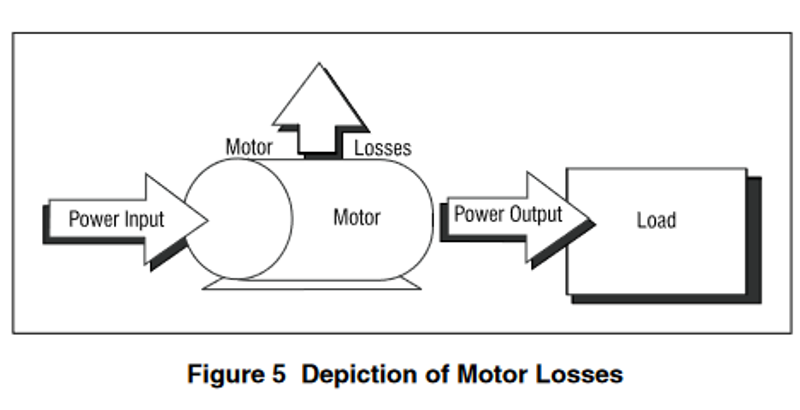
An electric motor cannot generate the same power as it consumes, because of motor losses. A safe alternative energy source is not readily available yet. But we are already using rechargeable storage batteries in a variety of road vehicles. This nudges the door open to rapid conversion to battery freight.
New Storage Technology Enables Rapid Conversion to Battery Freight
Battery storage advanced rapidly to meet demands for grid-scale energy storage. This paves the way to ‘rapid conversion to battery-electric freight rail and with substantial cost savings,’ according to Amol Phadke.
The Berkeley Lac scientist continues by explaining ‘Also, the weight of batteries is less of a constraint than it would be for electric vehicles or trucks. We can add a car to a freight train built out with batteries, and the weight of that battery car is not an issue with trains.’
Related Posts
Batteries on Wheels Could Power Our Future
Lead Acid Battery Chemistry Simplified for You
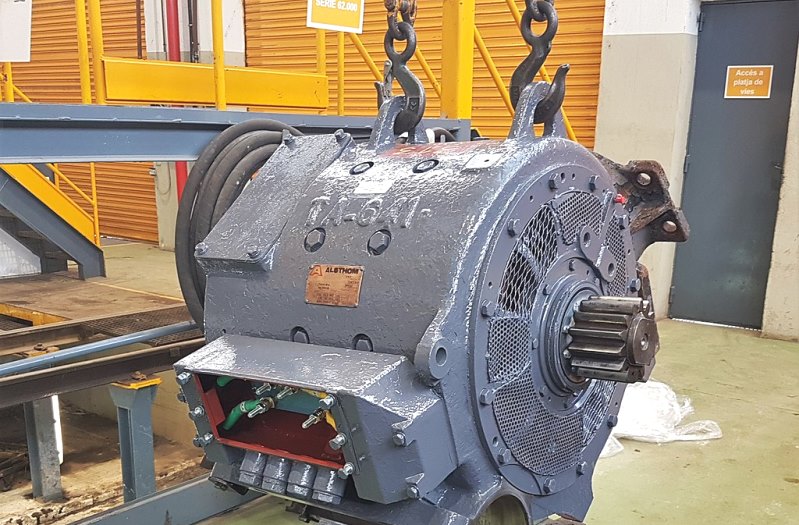
Preview Image: Electric Motor for a Locomotive


