We are curating a thought-provoking article by Dr Matthew Priestley. He is an associate lecturer at Energy Systems Research Group at University of New South Wales, Australia. His thinking goes further than pondering why lithium-ion batteries fail. We discussed his two ways to make lithium-ion batteries safer in our previous post. Now we move on to the root causes of occasional, catastrophic failure.
Two Main Causes Why Lithium-Ion Batteries Fail
REASON ONE: Lithium Batteries’ Particular Hazards
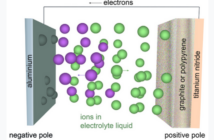
Matthew Priestley confirms “all types of batteries can be hazardous and can pose a safety risk”. However, lithium-ion’s particular threat is its electrolyte comprises lithium salts, in a solvent solution that might include ethylene carbonate. This liquid electrolyte is highly effective. However, it is also highly volatile, and flammable Matthew Priestley says.
There are various reasons why lithium-ion batteries fail. Their volatility increases in high ambient temperatures. Moreover, the batteries also become naturally warmer while delivering power. Those factors can set the stage for uncontrolled meltdown, if the battery fails, or becomes damaged in some way.
REASON TWO: Technical Reasons Why Lithium-Ion Batteries Fail
However, those stage-setting conditions we referred to are insufficient cause for lithium-ion failure in themselves. The technology is solid, and designed to stay safe. Here are the four main out-of-specification reasons why lithium-ion batteries fail according to Matthew Priestley:
- Physical damage to the battery exposing the weakness of the volatile electrolyte.
- A short circuit agitating the chemistry and leading to sudden temperature rise.
- Excessive heat from overcharging the battery / using a faulty battery charger.
- The heat combining with the chemicals to cause a self-fulfilling fire.
The above reasons for lithium-ion battery failure are largely in the hands of the user. Put simply, it is largely up to you to protect your lithium-ion battery, and its device from damage and / or overheating, and to recharge it correctly. We’ll leave you with that thought, as we prepare the next post.
More Information
Two Ways to Make Lithium Batteries Safer
Battery Management System Fundamentals