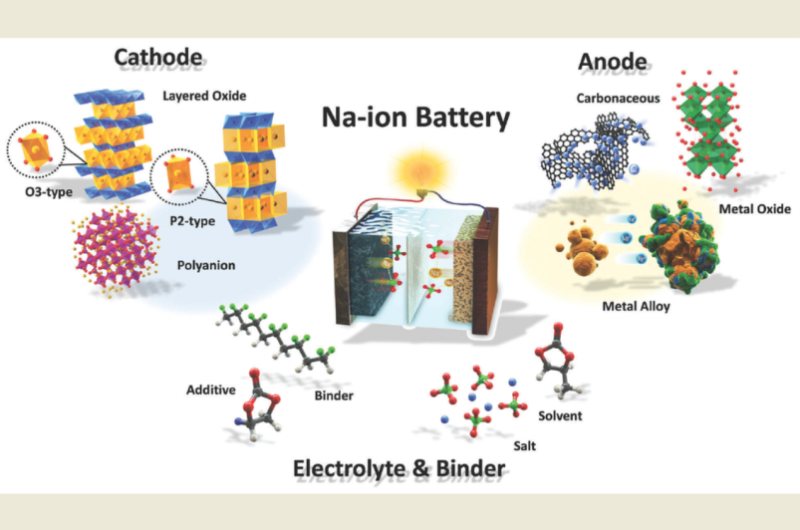
We could be forgiven for thinking that sodium-ion batteries have a limited future, as sales of lithium-ion versions soar. However, as MIT Technology Review puts it, the latter are only popular because they are the best we have. Sodium-ion batteries have a future they say, because they share many of the advantages. While at the same time they do not have some of lithium-ion’s safety concerns.
What Sodium Batteries Need to Beat Lithium’s Future
Lithium metal is the third lightest element, and only heavier than helium and hydrogen. This makes it ideal for compact lightweight batteries, which is what manufacturers of phones and electric vehicles are after.
Using lithium-ion batteries means your phone can be more compact, and your electric vehicle can cover more miles between charges. This energy density advantage is the primary reason why lithium-ion batteries are so popular.
Moreover, lithium-ion batteries are also able to deliver more power to consumer’s devices. Being lightweight and portable on top of this, are two reasons why some pundits believe sodium-ion batteries do not have a comparable future.
Market Position Is Another Very Important Factor
Consumers are loyal to brands they trust, and it is not easy to direct this loyalty elsewhere, even in the face of strong evidence. Manufacturers know this, and this is why they are so reluctant to invest in new technology.
Moreover, much money and effort has gone into researching better ways to build improved lithium-ion batteries that are safer. And as a result, manufacturing costs have come down steadily every year, to the delight of loyal consumers.
In the next post we debate whether sodium-ion batteries really have a future, in the face of this solid competition. Energy density, and safety are becoming more and more important in the transport and communication industries. Stay in touch for the next episode.
More Information
Hire an EV Battery for Better or Worse