Taking a drive Into the blue yonder in a recreational vehicle can be an adventure, but you need to make sure of your energy supplies. Or else you could find yourself miles from anywhere without an internet connection if your battery phone goes flat. We discuss the three best solar recreational vehicle batteries in our post, and conclude that all three have their moments.
Three Recreational Solar Vehicle Batteries That Might Suit You Best
You are going to need a deep cycle battery to charge your phone while you watch television in your RV vehicle at night. Here are three types you may like to consider:
Are Flooded Lead-Acid Batteries Your Best Solution
Flooded lead-acid batteries have been around for more than a century, and they are still stalwarts for many applications in many places. They use a basic chemical reaction between lead plates and liquid sulfuric acid, and are as might be expected the cheapest solution. However we recommend you keep them outside your vehicle, because they could leak acid , and / or give off flammable gas.
AGM Absorbent Glass Mat Lead Batteries Are a Step Ahead
Absorbent glass mat lead-acid batteries could give the best solar support to your recreational vehicle. Because they use a spill-proof fiberglass mat containing a gel electrolyte, that makes them virtually maintenance free. Moreover, they cope well with high charge and discharges rates, although they do tend to be more expensive. This makes them a good middle of the road choice.
Advanced Lithium-Ion Phosphate Deep Cycle Batteries
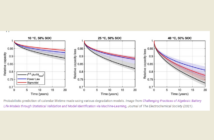
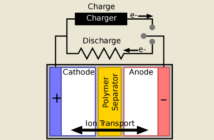
Lithium-ion phosphate batteries use a different chemistry from the lead-acid pair, and as a result are smaller and lighter. They are also able to store more energy, and last longer between recharges. However, they are considerably more expensive, and there’s a risk they could catch fire if damaged in an accident. Now it’s up to you to decide which is the best solar recreational vehicle battery for your circumstances.
More Information
Electric Vehicle Range – Auxiliary Factors