BBC Future revealed a development on November 9, 2023 that had previously escaped our attention. It told of a cash machine dispensing banknotes in India, powered by a battery with a burnt cotton anode. How strange we thought, as we almost passed the article over. But that was before we realized reporter Chris Baraniuk is a London science and technology journalist, who also writes for New Scientist, Wired and The Economist.
The Burnt Cotton Anode Process Is a Secret
So this was not a tale that went nowhere, we hoped, as we delved deeper. However, the chief intelligence officer at PJP Eye, the Japanese firm that made the test battery, was not about to tell BBC Future everything.
All that Inketsu Okina was prepared to say guardedly was, “The exact process is secret, to be honest with you, the temperature is secret and the atmosphere is secret. Pressure is secret,” he continued, cagily.
However, Inketsu Okina was generous to tip off Chris Baraniuk as follows:
- The temperature, presumably to burn the cotton, is greater than 3,000° C (5,432° F).
- 1kg (2.2lbs) of cotton yields 200g (7oz) of carbon for burnt cotton anode production.
- They have not used up their first shipment, with just 2g (0.07oz) of cotton for each cell.
Most batteries use graphite for their anodes. But it seems that PJP Eye insists on being ‘odd man out’ with carbon. To their credit they use waste cotton from the textile industry to kick start the process, and the result is recyclable.
More About PJP Eye and Its ‘Cambrian Battery’
PJP Eye has its headquarters in Fukuoka City, Fukuoka Prefecture, Japan. Although it also has a base in Binghamton, New York State, where it focuses on its North American operation.
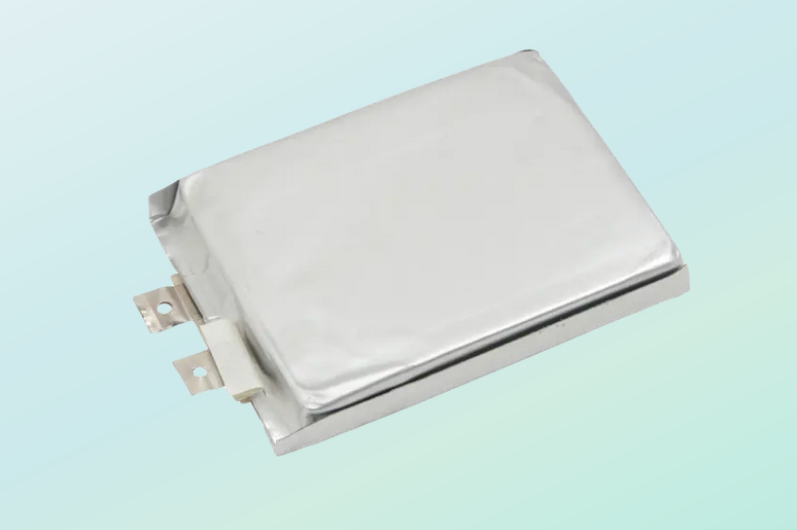
The company claims its ‘Cambrian’ battery – which it says is a world first – is resistant to heat and ‘does not easily deteriorate’. Moreover, it believes its battery – which uses metal oxide for the positive electrode, and plant-based carbon for the negative electrode – will charge‘10 times longer than a typical lithium-ion battery’.
More Information
Richer Carbon Electrodes for Faster Charging