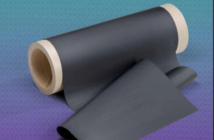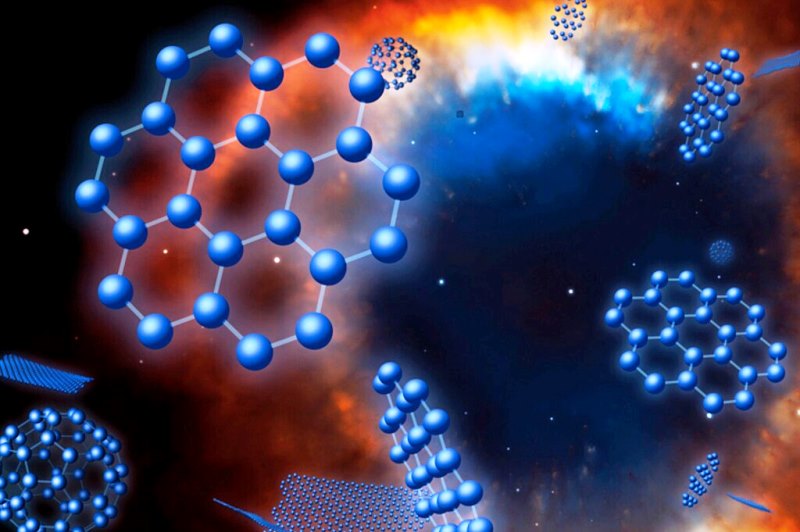
Graphene is a two-dimensional derivative of carbon, in which the atoms arrange themselves in a single, micro-thin lattice layer. While a cathode is the electrode, or terminal, from whence electric current flows out of a battery to energize an external device. Its composition affects its performance. Graphene cathodes could make batteries last longer, charge faster, and that’s tempting.
Cathodes Made of Graphene in the News
Graphene cathodes have been in the news lately, on account of their impressive potential. This is relevant in our world of batteries, because they could have significant impact on energy storage. They also hold promise of longer-lasting batteries, that charge faster and are safer according to TS Space.
But that hope has not materialized at a practical level yet. This is a sadness to us, because their faster-charging potential could revolutionize electric cars. Graphene has excellent conductivity, and is more thermally stable than lithium, which makes it far less likely to overheat.
So why are these environmentally-friendly cathodes not showing up in batteries in our stores? Scientists already have a handle on producing the novel material from abundant carbon sources. A longer lifespan could mean we need to manufacture fewer batteries. This would be another positive for our environment.
But the Technology Has Been Slow Developing
There has been some remarkable progress at the academic level. Moreover, graphene research is ongoing in electronics, biological engineering, filtration, lightweight / strong composite materials, photo-voltaics, and energy storage. However, this work has not yet reached a commercial phase either.
That said, we do believe we shall see greater investments in graphene in future, as demand for more efficient storage accelerates. We hope that this stimulates practical applications using graphene cathodes. Their future looks bright, but which brave entrepreneur will pick up the ball?
More Information
Graphene Enhancing Batteries in Sri Lanka