Lithium-ion batteries are without doubt the most available and promising power sources for phones, laptop computers, electric vehicles, and storage. This preference is on account of their relatively high energy and storage density, smaller size, and steadily reducing cost. On the down side their key material lithium is unstable, and this is how a lithium battery can short circuit.
Ways a Lithium Battery Can Fail and Short Circuit
A lithium battery that short circuits internally can generate a large amount of heat in a small space. The flammable material inside it can catch fire, and generate oxygen to continue burning. The battery case may crack open, and cause adjoining cells to overheat in a phenomenon called thermal runaway.
However, and this is important to note, thermal runaway should not occur in a battery that complies with safe manufacturing standards. Unfortunately, this is not always the case in the battery industry. Your best protection is to understand how a lithium battery works, and purchase brands you can trust.
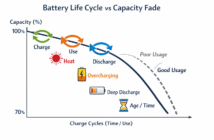
A short circuit may occur when battery electrodes touch after the insulating separator between them fails. This is happening occasionally among lithium cells of poor quality, and is behind many of the fires we come across in the media. Other probable reasons according to UL Research Institutes include:
- The battery overcharges through using the wrong charger, or because the battery management system fails.
- The battery discharges below the safe level multiple times, followed by recharges to the maximum possible.
- The battery short-circuits directly through the terminals, or via an external circuit with inadequate resistance.
- The battery overheats due to an unrelated event, for example an external fire that causes an internal chemical reaction.
The Solution Is In the Hands of the User
We can largely avoid these issues when we understand how a lithium battery works, and apply this knowledge. The possibility of thermal runaway is immensely lower when we stay with mainline, UL-certified battery brands. Then we should be battery safe, provided we use the correct chargers, and set our devices to charge within their safe range.
More Information
Do Not Leave Lithium-Ion Batteries Charging