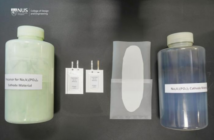
Batteries store electricity as electrochemical energy in their molecules, and release it as electricity when users need it. Sure, that’s a very simple overview, but at least we are on the same page. However, it does beg the question why we need a physical battery in the first place. Scientists have pondered over the possibility of pure molecular energy storage, and made it work in their laboratories.
Norbornadiene, Quadricyclane and Molecular Energy Storage
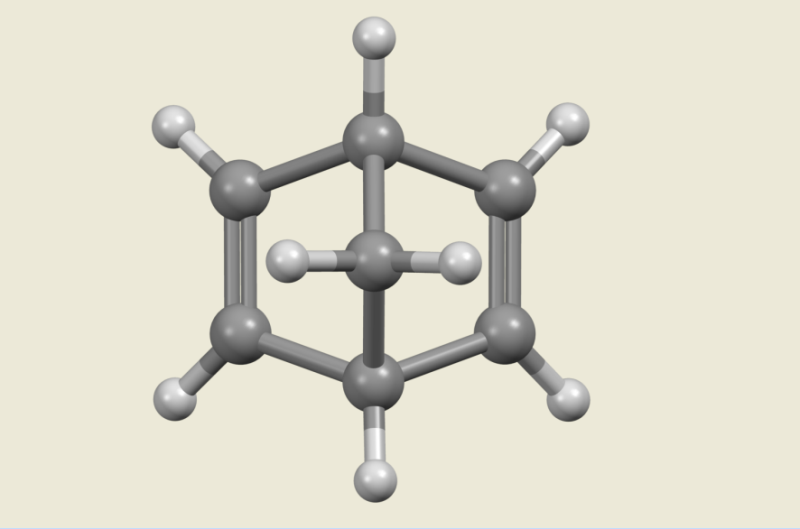
Norbornadiene is an organic compound and bicyclic hydrocarbon, the latter meaning it has atoms in two rings fused together. Scientists can induce a second version, Quadricyclane, from it during a photochemical reaction.
This process can theoretically be reversed in an energy storage – energy release cycle. A ‘photoswitch’ molecule is able to change its chemical properties, and structural geometries this way after irradiation.
Researchers have played around with the possibility of molecular energy storage for years, for example the Science Direct article we link to below.
That article confirms how molecular photoswitches could combine solar energy conversion and storage. And ‘release it in an extremely simple one-photon one-molecule process.’ So much for theory. But is this practical?
Could Photoswitches Do This At Commercial Scale?
An article on the Gearrice website caught our eye and caused us to delve deeper into this fascinating topic. The first thing we should mention is molecular energy storage has not reached a practical, commercial level yet, nor will it probably for years to come.
However, and this is why we featured the topic, capturing and storing solar energy this way could do away with the negative side-effects of physical batteries, and recycling them. We would also be able to store the energy for longer, without waking up in the morning with a battery that has run down.
More Information
Innovative Battery Storage in Scotland
Hydrogen Solar Storage Versus Lithium-Ion