Phosphorous is a remarkably common material present in many foods and health supplements. Perhaps as a result, we have phosphorous in our RNA, DNA, bones, and teeth. We may be seeing the black phosphorus variety charging our electric car batteries soon. This sounds like a super fast charging phosphorous anode to keep an eye on.
Quick Intro to Fast Charging Black Phosphorous
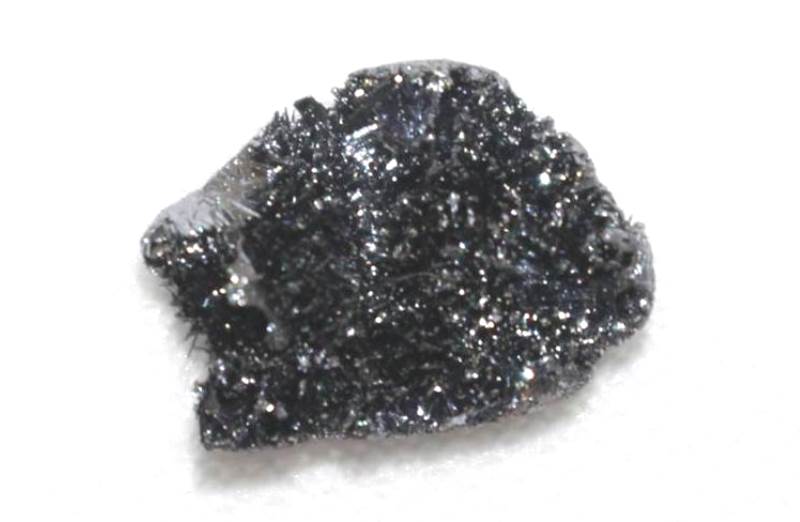
Black phosphorous is a derivative of the original white variety, which is a good conductor while being thermo-dynamically stable. Wikipedia remarks how its ‘exceptional mobility’ makes black phosphorous ‘an intriguing candidate for sensor technology’.
With that short introduction over, Chinese Academy of Sciences reports exciting work by University of Science and Technology of China, and University of California. The Academy report (see link below), opens by explaining why a fast-charging battery is critical:
- A typical gasoline-powered sports-utility vehicle takes five minutes to refuel after a 300-mile journey.
- While a state-of-art electric vehicle takes one hour to charge sufficiently to travel a similar distance.
- Closing this gap with lithium-ion batteries has seemed hitherto unachievable until now.
However, and this is our breaking news for today, the team from University of Science and Technology of China, and University of California may have come close with a super fast charging phosphorous anode of the black variety.
Could This Advanced Engineered Electrode Get Us There?
The Chinese Academy of Sciences believes that a ‘combination of high energy, high charging rate, and long cycle life’ could be the game changer we need. But this in turn needs the right combination of electrodes, which has eluded us until now.
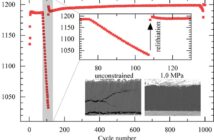
The research team re-investigated the potential of a super fast charging phosphorous anode in a lithium-ion battery. They concluded that this ‘combination restored 80% of its full capacity in less than 10 minutes, and showed a 2,000-cycle operation life at room temperature.’ Do you think this might be the next electric car battery?
More Information
Norwegian Phosphate Deposit is ‘Massive’
Bio-Graphite Anode for Lithium-Ion Battery