Did you ever wonder how some lithium-ion batteries fail prematurely, while others keep going longer? The five main reasons for early lithium-ion battery failure include:
- Solid electrolyte interface layer expansion.
- Different parts of the cell aging at different rates.
- Battery management system (BMS) failure.
- Lithium plating accumulating on the battery anode.
- Defective connections in a battery string.
We unpack these five, significant issues below in the rest of this post.
Five Factors Causing Some Lithium-Ion Batteries to Fail Early
SEI Growth Detracting from Battery Performance
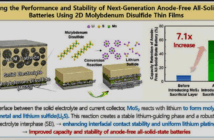
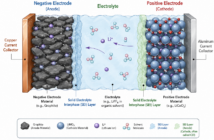
The initial formation of the SEI layer plays a critical role in determining the performance, stability, and operating life of batteries. However, as this solid electrolyte interface thickens, the internal battery resistance increases too. Voltage starts to drop under load, while the operating temperature increases.
Battery Components Aging at Different Rates
The internal consistency inside a new lithium-ion battery begins to break down as components age at different rates. This process creates localized weakness, and is another reason how some lithium-ion batteries fail prematurely. This trend can lead to capacity loss, and fluctuating voltages.
BMS Failure Causing Lithium-Ion Batteries to Fail
A battery management system (BMS) monitors and controls the state of a single battery, or pack electronically. If this system fails, and can no longer shut the battery(s) down in a crisis, then the battery(s) can undergo extreme stress. Even if this does not happen, the battery(s) can still overcharge, and shorten their life.
Lithium Plating Leading to Catastrophic Failure
Excessive lithium metal plating on the battery anode, can create immediate catastrophic failure. Dendrites can sprout, making the battery unstable. This can lead to short circuiting and early aging. However, the greatest risk can be thermal runaway leading to cell rupture and failure.
Defective Inter-Cell Connections in a Battery String
Lithium-ion batteries connect to produce the high voltages necessary for electric vehicles and bulk energy storage. These inter-connections must be carefully maintained. That’s because gradual corrosion increases connector resistance, warming, and in some cases even a fire hazard.
More Information
Lithium-Ion Battery Decline and Reasons For It