We normally think of thermal energy as heat stored in an object, like a hot water bottle, or a thermos flask. We heat the water using electricity, and retrieve the thermal energy as a warm bed, or a hot cup of coffee. We can compare this process to a battery storing a special type of energy. As global warming bites, there’s renewed interest in how ice batteries cut electricity costs.
Saving Electricity by Cooling Buildings With Ice Batteries
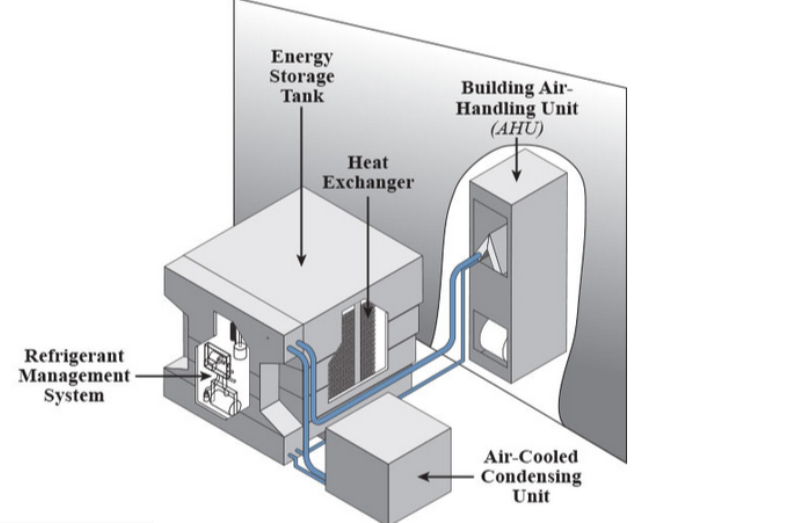
There are several established ways in which these ice batteries cut electricity expenses, in modern office buildings. These innovations save money by using low-cost, night-time electricity to freeze water, while office workers sleep.
In one application, refrigerators freeze a water solution, using off-peak electricity stored in thermal batteries. Then they combine their cooling power with conventional air conditioning systems, to cool building interiors in daytime.
However, using ice to cool things down this way is not a new innovation. Super-wealthy Roman citizens brought ice down from mountains in winter, and stored it underground until they needed it on hot summer days.
We find it amazing that ice batteries date back thousands of years, and yet only now are we beginning to rediscover storing cold thermal energy. Especially since a relatively small storage facility can hold enough ice, to cool a large building for a day according to Wikipedia.
More to Cutting Electricity Consumption With Stored Ice
Building owners, and their tenants, both benefit from letting ice batteries cut electricity consumption. However, the broader community also benefits from using renewable energy in this way.
Buildings also become more energy-agile, because they have another saving to tap into. And this in turn contributes to grid resilience, as the stored energy in ice batteries reduces on-peak electricity demand too.
More Information
Thermal Batteries And Energy Storage Today