The move towards electrifying mobility, places huge demands on the supply of lithium batteries. But this demand comes at a cost, because the batteries depend on transitional metals that are in limited supply. Extracting these from the earth leaves an environmental scar. Today we consider the alternative, organic batteries for our rechargeable future.
The Role of Transitional Metals in Non-Organic Batteries
Transitional metals have good electrical and thermal conductivity. They are mostly hard and strong, with high melting and boiling points. They exhibit two or more oxidation states, and readily form compounds including useful alloys.
- We find transitional metals in the electrodes of most lithium batteries. Lithium cobalt oxide, lithium manganese oxide, and lithium nickel manganese cobalt oxide, are all popular anode materials.
- Lithium battery cathodes are also rich in transitional metal oxides. Common examples include lithium-cobalt, lithium-manganese, nickel-manganese-cobalt, and nickel-cobalt-aluminum oxides.
Our Rechargeable Future in Organic Batteries
If you think those lists sound like a litany of expensive metals, then you understand the problem. The issue is, what do we do when have run out of them, even after extensive recycling?
Some visionaries believe we should use organic batteries for our rechargeable future. This is because they use non-metallic carbon-based compounds instead of transitional metals.
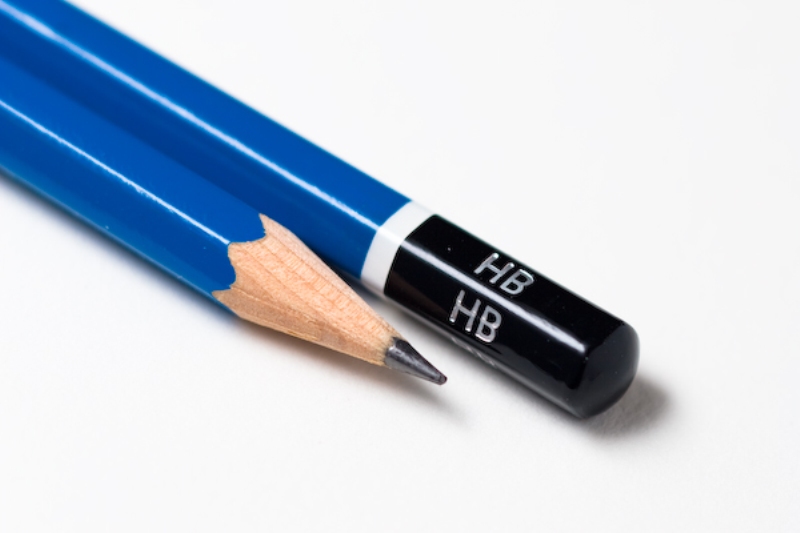
Carbon is a chemical element, appearing as diamonds and graphite in its natural form. Graphene is in oil and coal, as well as all plants and animals. And yes, graphite is in our pencils too!
Greener Batteries With Carbon-Based Electrodes
Organic batteries use natural substances, including carbon-based materials, instead of metals like cobalt, lithium, or nickel. Their organic substances often come from abundant, natural resources according to infinityPV.
These non-metal materials play a critical role in electro-chemical reactions, generating electrical energy in batteries. This makes them a more sustainable and environmentally friendly option to lithium battery cells.
We seldom, if ever see organic batteries in our stores. This is because they cannot compete with lithium compounds in terms of energy storage. Scientists are working hard to close this gap, because organic batteries should be safer, cheaper, and far more sustainable than their transitional metal alternatives.
More Information
Silicon-Graphite Anodes – The Way Forward?