Lithium metal batteries have created a niche, in the form of non-rechargeable button battery cells. These are relatively unique in terms of the significant amount of electrical energy they can store. However, rechargeable versions don’t last very long in terms of the number of cycles they can withstand. Researchers at the University of California investigated why lithium metal batteries fade away, after less recharges than their competition.
Imaging Method Shows How Lithium Metal Batteries Fade
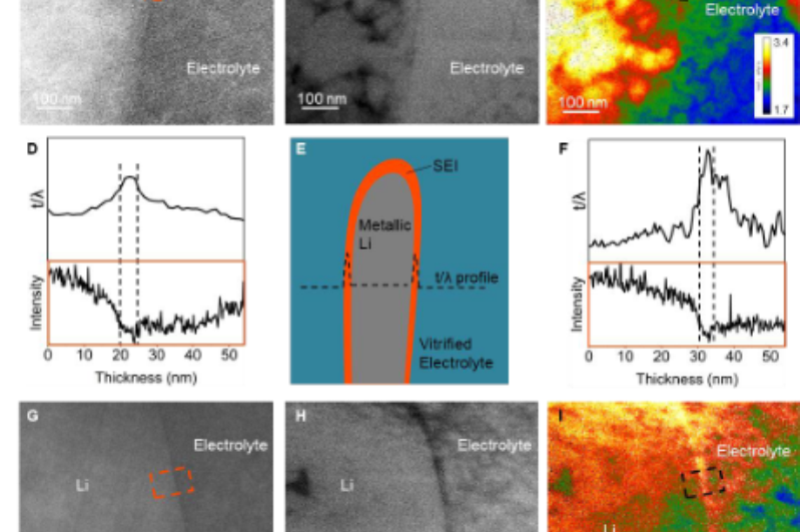
The scientists developed a new application of cryogenic electron microscopy (cryo-EM), that demonstrated why these batteries have a short cycle life. Cryo-EM uses transmission electron microscopy, to observe super-cooled sample materials in laboratories.
However, this time the insights the scientists obtained, could also help design better lithium metal batteries according to Tech Explore. The new method should also assist research in other fields, including biology.
The core electron microscopy method only captures static images. And so it only provides researchers with after-the-event data. This leaves them with a blank as to what happens between the still ‘photos’.
The University of California decided to create a ‘movie’ of a lithium metal battery fading in real time. This is how they gained insights that could chart a new way forward for lithium metal batteries:
- They made a very thin, rechargeable lithium battery that responded rapidly to temperature changes.
- Then they rapidly froze this special lithium metal battery in liquid nitrogen while it was charging.
- The rate of rapid cooling was deliberate. It helped avoid side-reactions during freezing.
The researchers froze and thawed their special battery numerous times, capturing an electron microscopy image each time they did. Then they strung their images together to create a ‘movie’ according to Tech Explore.
The scientists were able to observe a thin corrosion film forming on the electrolyte, that prevented electrons passing through. This confirmed why lithium metal batteries fade in terms of recharging cycles. Resolving this issue could open a new door for lithium metal technology.
More Information
Failure Paths in Lithium Metal Batteries
SEI Layer Role in Lithium Metal Battery Life
Preview Image: Corrosion Layer Forming on Anode