Polyethylene terephthalate (PET) plastic is made from terephthalic acid, and ethylene glycol. This material seems to be everywhere we go in waste bottles, packaging, and textiles littering the landscape. We can decompose PET back into its constituent materials using heat. Researchers have developed a new way of recycling PET plastic with spent batteries after dismantling them, so we can use these materials again.
Recycling PET With LiFePO₄ Battery Materials
Lithium iron phosphate batteries use lithium-iron phosphate (LiFePO₄) for their cathodes. This chemistry brings improved safety and longer lives, but inevitably they leave a recycling burden behind. Researchers from Harbin and Soochow Universities in China, decided to tackle this problem productively:
- The team first separated the FePO₄ cathodes and graphite anodes from used lithium iron phosphate batteries.
- Then they removed the lithium ions from the graphite, so the anode material could serve as a light-absorbing material.
- Finally, they extracted the iron from the lithium-iron phosphate cathodes, and deposited this onto the purified graphite.
The Harbin and Soochow scientists now had the building blocks they needed, to begin recycling PET plastic with spent batteries.
Generating Localized Heat to Break Down PET Plastic
The hybrid iron-graphite material combined the broadband light-absorption properties of carbon, with the catalytic power of iron oxide. A high-resolution microscopy check revealed “uniform dispersion of Fe2O3 nanoparticles across the graphite surface”. This promised efficient light-to-heat conversion.
The Chinese researchers had something to celebrate at this stage! They had developed a photothermal catalyst that could harness solar energy, and generate localized heat. This was the ‘secret sauce’ they needed to decompose PET back into its constituent materials, using heat.
“This is not just a recycling process,” exclaims the co-corresponding author of the study. “Recycling PET plastic with spent batteries is an upcycling strategy that turns low-value waste into high-value functional materials.”
More Information
Lithium Iron Phosphate Battery Particles
Lithium Iron Phosphate Battery Power
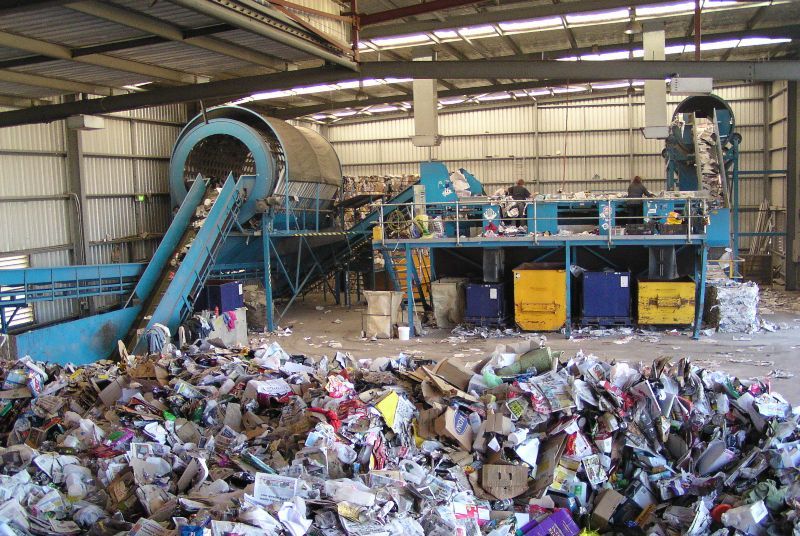
Preview Image: PET Plastics Arrive for Recycling