We are overlooking battery PFAS materials in our haste to recycle more lucrative electrodes, says Dr Jacqueline Edge. She is an associate professor at University of Birmingham in England, with a strong social conscience. Dr Edge is concerned that these ‘per- and polyfluoroalkyl substances’ can persist in our environment and affect our long-term health.
PFAS Battery Materials’ Role in Batteries
Dr Edge made her concerns abundantly clear in a hard-hitting interview reported on by Forbes. We need these fluorinated chemicals because batteries can be ‘highly acidic, high temperature and high voltage’ inside, she explains.
PFAS materials promote stability in that toxic environment, which makes them highly desirable to battery manufacturers. Forbes cites the examples of polyvinylidene fluoride binding electrode materials together, and using lithium hexafluorophosphate as an electrolyte salt.
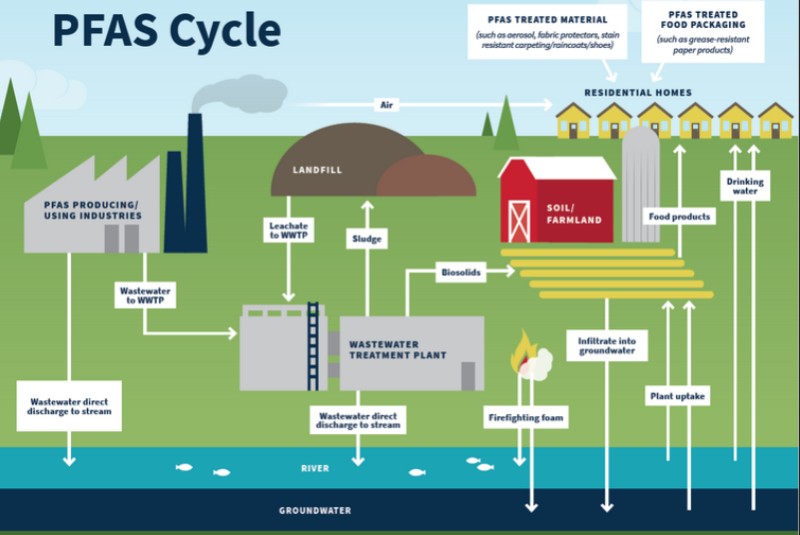
Unfortunately, many players in our industry are overlooking the fact that battery PFAS materials, also called ‘forever materials’, are also highly toxic, and take thousands of years to break down.
“We are not really targeting recovery of the fluorinated content of batteries at the moment,” Dr Jacqueline Edge laments. “We tend to focus on recycling the metals. These fluorinated chemicals make the recycling process very much harder too.”
What To Do About These Overlooked Chemicals
PFAS chemicals are a double bind, because their adhesive power must be dissolved to recover cathode materials. If we could find alternatives we would not only simplify recycling, batteries could also become cheaper and less polluting too.
“From an economic point of view, from an occupational health point of view, and from an environmental health point of view,” Dr Edge rams home her point. “It’s really worth trying to remove these chemicals [from batteries].
Because 10 years down the line, when electric vehicles get to the end of their useful life, there will be many used batteries out there.”
This begs the question why are we overlooking the downside of these battery PFAS materials? Is it really that difficult to replace them? These ‘forever battery‘ materials could be costing more to install and remove, than the price of a safer alternative.
More Information
Lithium Batteries Cause PFAS Substances