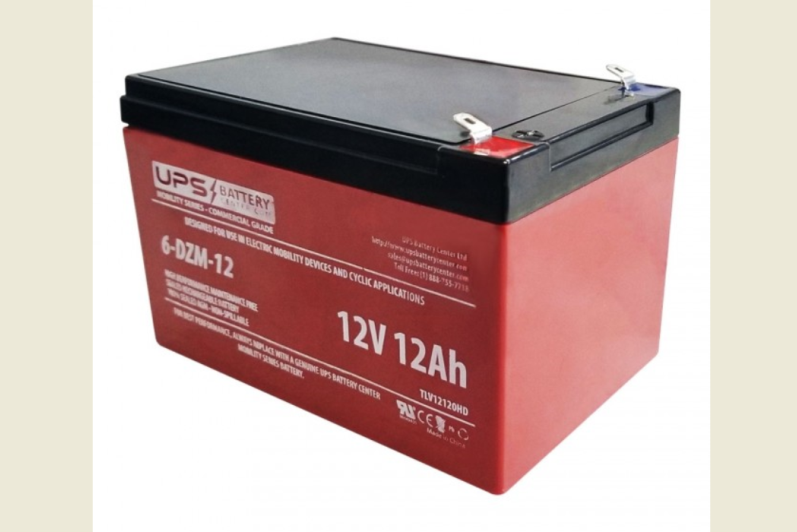
Early lead-acid batteries had one important weakness. Their electrolyte was a liquid solution of sulfuric acid and water. The sealed lead-acid battery did away with the need for it to remain upright.
Engineers Wanted a Different Kind Of Lead-Acid Battery
Regular batteries needed inspection, and, when necessary, topping up with water. Engineers wanted a different kind of lead-acid battery. They wanted one that needed little maintenance, could be installed in different positions and would not spill acid if moved.
The Answer Was The Valve-Regulated Lead-Acid Battery
The answer was the valve-regulated lead-acid battery, usually called VRLA. The idea was not to seal the battery completely. Instead, engineers controlled what happened to the gases during charging.
Oxygen produced at the positive plate could then travel towards the negative plate. And take part in a chemical reaction there that converted it back into water.
A pressure-relief valve provided the final safety measure. Normally it remained closed. But if pressure inside the sealed lead-acid battery became too high, the valve opened and allowed excess gas to escape. For this reason, the term “sealed lead-acid” is convenient but not technically exact.
The First Successful VRLA Appeared During The 1950’s
The first successful VRLA batteries appeared during the 1950s and 1960s. Gel technology provided one route, while absorbent glass mat technology provided another. By the 1970s, these designs were opening new markets for lead-acid batteries.
VRLA Batteries Became Important For Emergency Lighting
VRLA batteries proved useful in places where traditional flooded batteries were inconvenient. These became important for emergency lighting, alarm systems, telecommunications, and uninterruptible power supplies.
What Changed Was Control Over The Electrolyte And Gases
The basic lead-acid chemistry did not change. What changed was the control over the electrolyte and gases. This made the familiar lead-acid battery much easier to install and maintain.
More Information