A lithium-ion battery can sometimes develop a disturbing physical change. Its case begins to bulge, a phone may no longer sit flat, or a battery pack may appear to have expanded. We need to understand why lithium-ion batteries swell like this.
Swelling Happens When Gases Build Up
Swelling happens when gases build up inside a sealed cell. Lithium-ion batteries contain an electrolyte and layers of materials.
During normal operation, chemical reactions occur as the battery charges and discharges. Some reactions can gradually break down electrolyte components and produce gases, particularly as the battery ages.
Heat, Overcharging, And Physical Damage
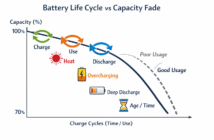
Heat, overcharging, physical damage and other forms of stress can make these unwanted reactions worse. High temperatures are another reason why lithium-ion batteries swell. They can also accelerate chemical reactions inside the cell.
Age is another factor. A battery does not remain chemically unchanged throughout its life. Repeated charging and discharging gradually alter the materials inside. The cell may develop higher internal resistance and generate more heat during use.
Be Careful With a Swollen Lithium-Ion Battery
A swollen lithium-ion battery should not be squeezed, punctured or deliberately opened. The swelling means that something inside the sealed cell has changed. Damaging the casing can create a short circuit or release flammable materials.
Engineers have reacted with better cell materials, separators, charging controls and battery-management systems. Modern battery packs can monitor temperature, voltage and current, so that charging can be reduced or stopped when conditions become unsafe.
Battery Swelling Provides Another Lesson
Battery swelling provides another lesson from lithium-ion history. A battery can fail without immediately catching fire, or losing all its electrical power. Sometimes the first warning is physical.
Recognizing those warning signs matters. A swollen battery is not simply an old battery that has become inconvenient. It is a sign that the cell should be treated as damaged and handled appropriately.
More Information