Aircraft place unusual demands on rechargeable batteries, and so nicad batteries learned to fly in response. Airplanes need dependable electrical power. They have to operate across changing temperatures and need to withstand vibration.
Nicad Batteries Prove Useful In This Demanding Environment.
As aircraft became more sophisticated, their electrical systems took on increasing responsibility. Batteries provided power during engine start up, and supported electrical equipment when groung generators were unavailable.
Nickel-Cadmium Technology Offered Advantages
Nickel-cadmium technology offered several advantages as nicad batteries learned to fly.
Their relatively low internal resistance allowed them to deliver high currents. While their ability to withstand repeated charging and discharging made them suitable for many aviation duties.
Compared with lead-acid batteries of similar capability, certain nickel-cadmium designs also offered useful weight and performance advantages.
Aircraft Batteries Had To Meet Strict Requirements
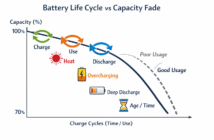
Aircraft batteries had to meet strict requirements. Their charging systems needed careful control because excessive charging could generate heat. Battery temperature, cell condition and maintenance were also important considerations, particularly in demanding operating environments.
Manufacturers developed nickel-cadmium batteries specifically for aviation, with construction methods and performance characteristics suited to aircraft electrical systems.
They Became Established In Various Aircraft Applications
Nicad established itself in various aircraft applications, although the exact battery chemistry depended on the aircraft design and its certification requirements.
The aviation market demonstrated that rechargeable batteries were not merely convenient alternatives to disposable cells. In the right application, they were essential components of a larger electrical system.
Nickel-Cadmium Did Not Replace Every Other Aviation Battery
Nickel-cadmium batteries did not replace every other aviation battery. Lead-acid and other battery technologies continued to serve different roles.
Nevertheless, nickel-cadmium earned a lasting place in aviation, because it combined reliable performance with the ability to deliver substantial current.
More Information