Did you know silver-zinc chemistry has limitations despite impressive performance? Several disadvantages have prevented it from becoming the standard choice for most everyday electrical equipment.
The Most Obvious Drawback Is Cost.
Silver is a valuable metal, and the positive electrode requires silver-based active material. This makes silver-zinc batteries more expensive to manufacture than many batteries based on more abundant materials.
For equipment that needs a low-cost battery, this difference can outweigh the advantages of higher energy density or reduced weight.
Silver-Zinc Chemistry Has Other Limitations
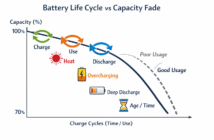
Silver-zinc chemistry has other limitations too. It also faces challenges involving service life. Although ir can recharge, repeated cycling can gradually damages the internal structure and reduce capacity.
One historical problem has been the movement of silver-containing material between the electrodes. Unwanted chemical reactions can also occur, while the zinc electrode may change shape or develop irregular deposits during cycling.
These Changes Can Eventually Reduce Performance
Engineers have developed improved separators, electrode structures and charging methods to address these difficulties. Some designs achieve considerably better performance than earlier versions, but the results depend on the particular battery and its operating conditions.
Charging requires particular attention. Overcharging or using an unsuitable charging procedure can shorten battery life and create safety problems. Users must follow the manufacturer’s instructions rather than assume that a charger designed for another battery chemistry will be suitable.
The Electrolyte Presents Another Consideration
Many silver-zinc batteries use potassium hydroxide, a corrosive alkaline solution that can cause serious injury if it leaks and contacts skin or eyes. Proper cell construction and handling are therefore important.
Silver-zinc batteries must also compete with technologies that have improved substantially over time. The challenge is to use the technology where its strengths justify its costs and limitations.
More Information