The issue of lithium-battery safety management pops up from time when one catches fire. In reality, only a very few are affected. When it happens, it as if society is more interested in the drama surrounding the event than the deeper issues. We are comfortable that the necessary precautions apply in larger installations. However our concern regards lithium-ion batteries in consumer goods.
Rules in Place for Lithium-Battery Safety Management
A network of controls exists to promote lithium-battery safety management. The grandparent document is probably the U.N. standard for battery transportation UN/DOT 38.3.
This intends that batteries shall reach their destination in good shape. First, the standard addresses altitude, thermal, vibration, and shock resistance.
Then it examines the possible consequences of external short circuits, impacts, forced discharges, and overcharging. Finally, a number of state and federal rules provide practical support.
The Gap We Face in Lithium-Battery Safety Management
We are confident that responsible lithium-ion battery manufacturers go to great lengths to make sure their batteries are safe. However, there is very little they can do to control their interfaces with the equipment they power. Take the Galaxy Note 7 incident. New thinking holds the battery compartment was too small to allow for slight battery swelling during charging.
Consumers sometimes select lithium-ion batteries based on the attractiveness of the case. We often do not even think about what is going on inside them. Then we pop the battery into our device, close the compartment, and forget about it until it no longer delivers sufficient power. In other words, we trust that everything is in order, and ignore the fact that the battery is aging.
A Few Suggestions for Personal Lithium-Battery Safety Management

There is a case for controlling the use of lithium-ion batteries after sale. Perhaps there should be safety warnings as happens with tobacco products. While we wait, there are simple things we can do to protect ourselves, and our loved ones:
- Treat lithium-ion batteries with respect and avoid accidental discharge
- Immediately cease charging if the battery becomes hot or expands
- Avoid overcharging, crushing, penetrating, or reversing polarity
- Never attempt to open a lithium battery to find out what happens inside
Fortunately, the likelihood of having to deal with thermal runaway is negligible given the production numbers. We can improve our chances of avoiding it further, by applying these simple lithium-battery safety management rules.
Related
The Legacy of Lithium-Ion Batteries
Is This the End of Lithium Battery Fires?
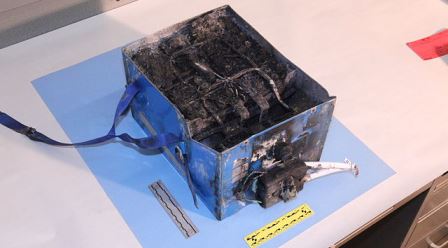
Preview Image: JAL 787 Battery