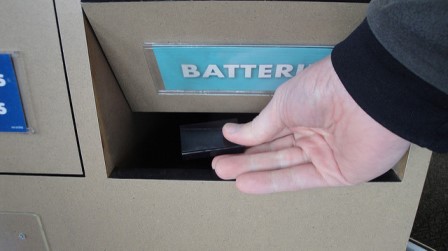
Battery recycling makes sense from a consumer perspective. Reducing demand for new raw materials should keep battery prices lower. However recycling is essential from an environmental perspective. We cannot just continue throwing everything away! We should take a leaf out of nature’s book, where all life eventually returns to feed the soil.
Basic Principles of Battery Recycling
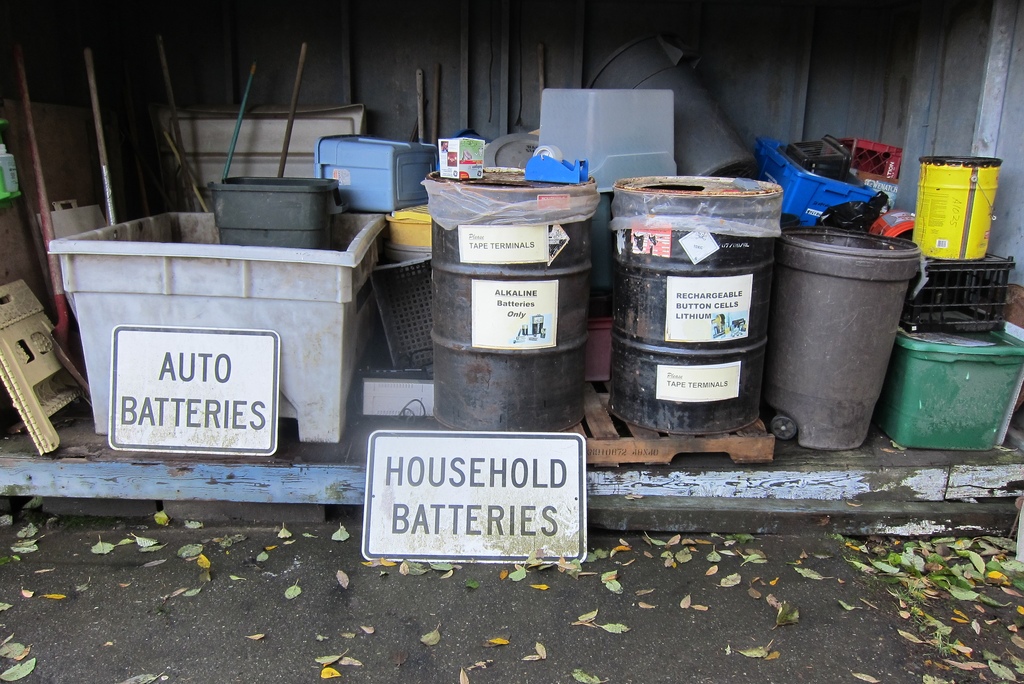
Recycling batteries reduces the number that end up as solid waste on tips. However, batteries contain various types of heavy metals and toxic materials.
Hence dismantling them is not something we should attempt ourselves. Professionals can recycle most battery types.
However, their yield must contain sufficient value for the exercise to be financially viable. The most economically-feasible batteries are lead-acid and button cells of various kinds.
- Over 90% of used lead-acid batteries go to recycling plants, whether regular, sealed, gel, or glass mat types. The separation process is simple, and the high volumes produce benefits of scale. Most lead-acid battery suppliers accept used ones from customers.
- Silver-oxide batteries power watches, toys, and certain medical devices. Their battery recycling process is more demanding. Because they contain small amounts of mercury our bodies easily absorb. Most jurisdictions recommend that recyclers remove the mercury and keep it safe for reuse.
- Lithium-ion and lithium iron phosphate batteries contain valuable rare metals. However, there are dangers attached to this such as electric shocks, chemical burns, and fires. Recovery costs can be five times higher than new raw materials. Hence little recycling happens in practice.
Battery Recycling in North America

The nonprofit Rechargeable Battery Recycling Corporation helps advance the cause of battery recycling. It offers businesses a free Call2Recycle battery pick-up service.
Consumers can also leave spent batteries at the Corporation’s drop-off locations. Their battery recycling service has kept 130 million pounds weight of batteries out of landfills since 1994 so far. We should support this initiative in the interests of our spaceship earth on which we travel together in space.
Related
Where can I recycle my electronics?
Lead Battery Recycling Explained
Preview Image: Battery Recycle Point