Scientists at National Autonomous University of Mexico (UNAM) have found a way to build more affordable batteries from recycled plastics. Mexico Business News suggests these materials could be flexible, single-use plastics like ketchup and mayonnaise sachets. This sounded like a great idea to us, and so we decided to investigate further.
Building Affordable Battery Electrodes from Used Plastics
Electrodes in electrochemical batteries like lithium ion phosphate, contribute significantly to their bulk, weight, and cost. Battery makers also form these electrodes from relatively scarce materials that they source from Earth’s crust.
On the other side of the coin, there are huge reserves of used plastic in landfill, and virtual islands floating across the ocean. But what makes affordable batteries from recycled plastics particularly attractive, the researchers say, is they do not compromise battery performance.
Jorge Oliva is a researcher at UNAM’s Center for Applied Physics and Advanced Technology. He explains how the project aims to reduce plastic waste, which contributes to the growing problem of microplastic contamination in ecosystems.
His team chose single-use plastics like takeaway sauce sachets, after two years of testing various alternatives. The clincher was that their polypropylene, polyethylene, PVC, and polyester materials, provide an ideal base for the construction of battery electrodes.
Plastic Waste to Carbon for Affordable Battery Electrodes
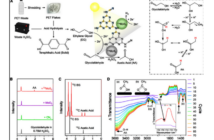
The UNAM project may build on earlier research at China’s School of Chemistry and Chemical Engineering, Beijing Institute of Technology. There, as detailed in the research report below, researchers converted plastic waste into carbon ‘for a super capacitor’.
These new batteries are also environmentally friendly, according to the UNAM team. This is because they can use seawater as their electrolyte, unlike the lithium salts in lithium-ion batteries.
The UNAM team have successfully tested their prototype in everyday electrical devices already. But now they want to find a way to increase the electrical output to 3.7 volts, so they can use them in smartphones, and help bring their price down too.
More Information
3 Ways of Avoiding Plastic – UPS Battery Center
Graphene Slurry for Coating Battery Electrodes