Rechargeable aqueous zinc-ion batteries (RAZB) could be a worthy candidate for the squad of next-gen batteries. After all, their critical materials are relatively inexpensive, and having water-based electrolyte makes them safer too. However, and here’s the catch, zinc-ion does not perform as well as other organic rechargeable chemistries.
Improving the Voltage of Aqueous Zinc-ion Batteries
A team at Queensland University of Technology (QUT) in Brisbane, Australia reported a new discovery. Their research in American Chemical Society Publications (see link below) confirms they increased RAZB power to 3.24 volts by modifying the electrolyte.
This opportunity could enable aqueous zinc-ion batteries to compete on a more level playing ground with other batteries in consumer devices. This means, if RZABs came to the market, we could have a cheaper, safe alternative to lithium-ion’s 3.7 volts.
More Information About This Energy Storage Opportunity
Batteries with water-based aqueous electrolytes (including lead-acid batteries) have been delivering faithful service for over a century, They may not be as powerful as their lithium-ion stablemates, but their electrolyte is non-flammable. This is proving a great advantage in light of a spate of lithium-ion battery fires.
Improving rechargeable zinc-ion electrochemical performance could sweep away barriers preventing mass adoption. Modifying their aqueous, water-based electrolyte could put these batteries in direct competition with lithium-ion alternatives.
The problem to date has been that water has a relatively low, and reducing voltage compared to organic, rechargeable alternatives. This is because a higher voltage than 1.23 volts can cause the liquid to release hydrogen, making the battery swell and possibly burst open.
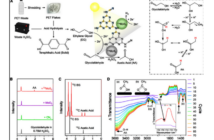
The QUT team resolved this dilemma by adding an organic compound called catechol to the aqueous zinc sulphate electrolyte. This step added an electron to the zinc ion, suppressing potentially dangerous hydrogen reactions in aqueous zinc-ion batteries.
“The use of this new type of aqueous electrolyte improves the voltage window by two folds higher,” the QUT news item we link below to explains. “It enhances the overall battery performance, and is a big leap to aqueous rechargeable batteries for industrial production.”
More Information
Aqueous Zinc-Ion Battery Breakthrough
Novel Zinc-Ion Battery in Magnetic Field
Preview Image: Queensland University of Technology