Researchers at the University of Göttingen in Germany say we will see more epidemic diseases crossing from animal hosts. Unless, that is we take assessing the infection risks of wildlife trade more seriously. They believe we need to do more to protect wildlife habitats, and reduce interaction with humans and livestock. We also need to bring wildlife trade under legislation, according to Science Daily.
More Emphasis on Assessing the Infection Risks of Wildlife Trade
Many diseases, including COVID-19 made the jump into our lives from animals. And when they arrived, they found rich pickings among humans without immune defenses. The researchers at Göttingen say more epidemics will follow, unless we persuade our governments to do more.
We have not being doing well against this threat, they say. Most new diseases substantially damaging human health and economies were zoonotic, meaning they came from wildlife. We remember notorious ones like Ebola, AIDS, SARS, but there were more. We understand how this works. Now is the time to apply our knowledge.
It’s Time to Address the Two Main Causes of This Threat
The two main root causes are invading wild animal territory, and bringing bush meat to our cities. In the old times, animals and humans existed peacefully. We had our domestic livestock, and we hunted wild creatures responsibly. But the boundaries remained largely unchanged, because natural forces regulated our populations.
Viral population growth, and refugees from conflict have upset this balance in many places. We are hacking into virgin territory, and coming in contact with unknown diseases. China, Vietnam and Korea have begun regulating wildlife trade, but is that enough?
No, it not enough, say the Göttingen researchers. We must find new ways to prevent zoonotic transfer, after assessing the infection risks of wildlife trade meaningfully. We need to help rural communities find alternative sources of protein, and conserve natural habitats. As co-author of the study, Dr. Trishna Dutta says, people’s relationship with the natural world must change. Unless we want another pandemic like COVID, perhaps worse.
Related
How the Virus Jumped from Animals to People
Denmark Locked Down as Mink Cases Surge
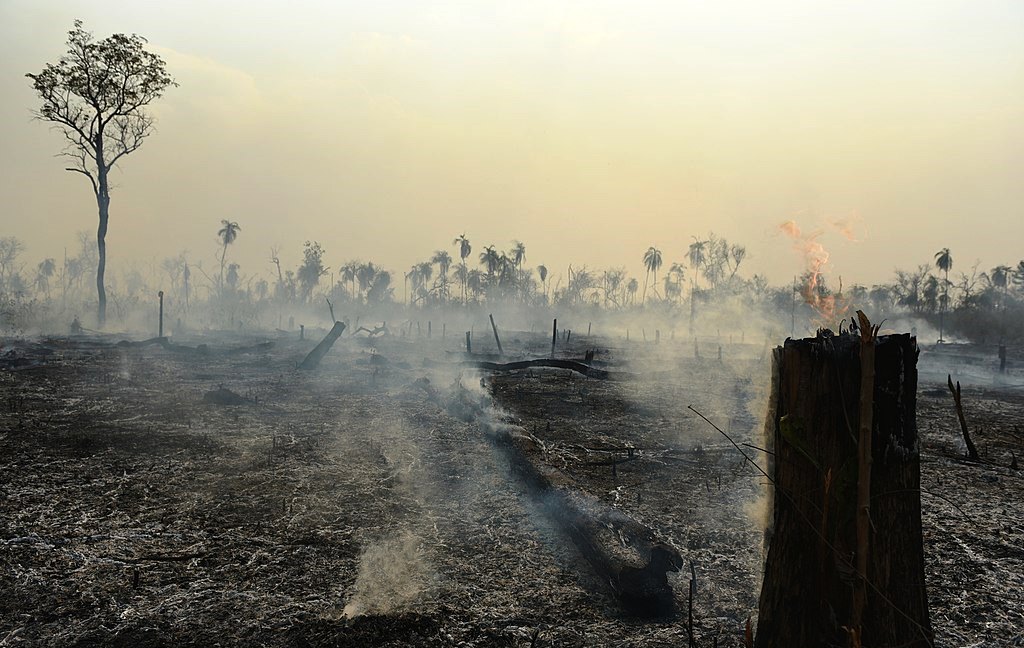
Preview Image: Amazon Rain Forest Destruction