“There are more things on heaven and earth than are dreamed of in your philosophy.” So speaks William Shakespeare down the years in the role of Prince Hamlet. Philosophy and learning were both the same thing in Elizabethan England. However, even today there are still places where we fear to tread in our puny bodies. Now autonomous vehicles are gradually putting paid to that.
Remarkable Autonomous Vehicles Exploring Polar Realms
It’s a fitting tribute that the British Antarctic Survey called their polar research ship RRS Sir David Attenborough. He brought us close up to polar bears and seals when we were kids and the adventure still continues.
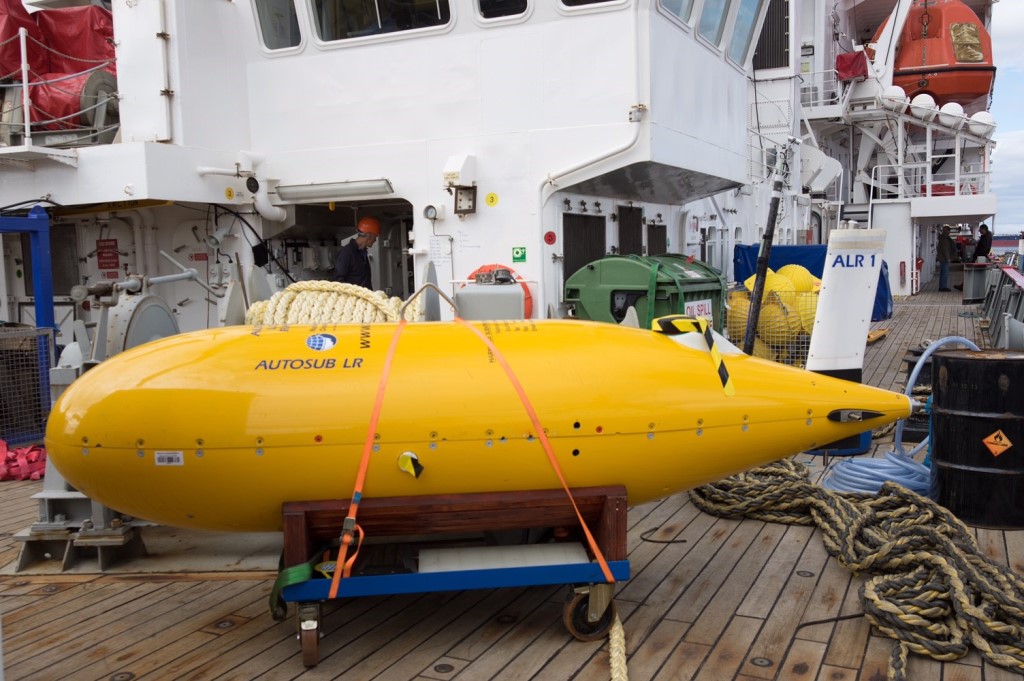
When the discovery ship sails for the frozen polar wastes in 2019, it will have a collection of fascinating autonomous vehicles on board. Its ‘Autosub’ will plumb new depths and discover new species we never dreamed of in our minds. It’s amazing to think none of this would be possible without batteries faithfully exchanging their ions. The Autosub underwater vehicle can dive slowly to 17,900 feet while drawing minimal power.
Not to Be Outdone, NASA Scales New Heights in a Lemur

The space agency’s crab-like Limbed Excursion Mechanical Utility Robot ‘Lemur’ has four arms – or are they legs – that could climb glass. That’s because each of these has sixteen fingers with hundreds of tiny hooks. They can help it climb steep slopes, vertical faces and even overhangs. Lemur can even take rock samples from human-impossible locations.
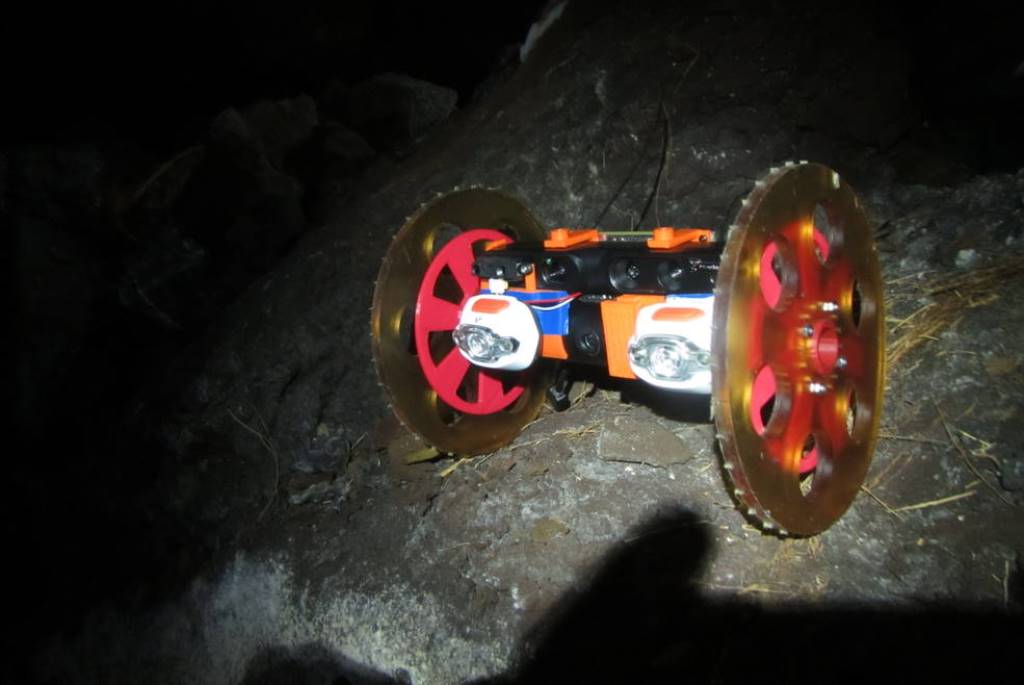
On Earth below mighty earthquakes shake, and volcanoes roar into life. NASA has invented an autonomous vehicle it calls ‘Volcanobot’. One has entered the Kilauea volcano on Hawaii. It followed the twists and turns of fissures to learn what happens in lava flows.
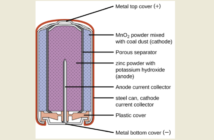
There are indeed more things on heaven and earth than we previously dreamed of. Batteries will be in the forefront of progress as we explore where nobody once dared to go.
Related
Autonomous Robotic Catheter Blazes Trail
Hayden Robotics Competes in First Robotics Competition 2019
Preview Image: NASA Robot Plunges Into Volcano to Explore Fissure