Our roads and highways are so busy nowadays that collisions seem almost inevitable. Although we can reduce our statistical risk by thinking before we act, and doing the sensible thing. Lithium-ion battery fires are happening more frequently too, judging by media reports. Avoiding home battery fires is largely possible when we understand how they begin.
Avoiding Mistakes That Lead To Home Battery Fires
Many road accidents are the result of loss of concentration, and inattention while driving. Avoiding home battery fires can be as simple as thinking before we charge batteries, and following supplier advice. A recent survey suggests the following may be true of United Kingdom, and North America for all we know:
- Three-quarters of battery users don’t concentrate when they put their devices on charge.
- Those devices may include phones, laptops, electric scooters, e-cigarettes, and more.
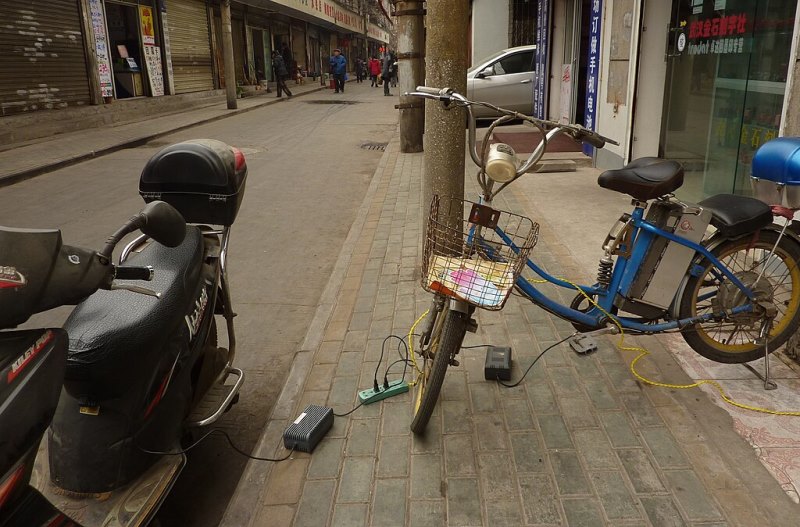
Heat can interrupt the process if we choose the wrong charger, use an extension cable or extender, or the device if its battery is faulty. A mistake like that can compound if we leave the device on a combustible surface like a bed or chair, or don’t monitor the temperature of the charger, extension cable, or device.
The Damage May Be Immediate or Progressive
The damage caused by risky lithium-ion battery charging habits may develop over months, or even years. However, battery fires may break out immediately if the product is damaged, or of low quality manufacture. This is why it is so important to monitor a battery throughout the time period it is on charge.
Battery overheating is more likely to occur in batteries that do not carry quality certification, are ageing, or have suffered abuse or damage. When fires do occur, they spread rapidly and may be difficult to extinguish.
Let’s avoid more injuries and deaths by treating lithium-ion batteries with care, and reading and following manufacturer safety advice carefully. That recommendation applies equally to driving autos responsibly, taking care out on the road, and a host of other things we do too.
More Information
Battery Safety And Recycling in Context