Some folk believe that the big coal and nuclear power stations are ‘always on’, unless they are in planned maintenance outage. By all means use your batteries to smooth peak demand, they say, but that’s as good as it gets. However, this is definitely not the case. Grid demand-supply imbalances can trip big generators too. That’s when batteries step in to balance the load, and keep the lights on consistently.
How Batteries Step In To Help Texas
Texas has two base-load nuclear power plants, and fifteen base-load coal / lignite stations. Many of these stations have several units each, and that sheer volume increases the potential for generator trips.
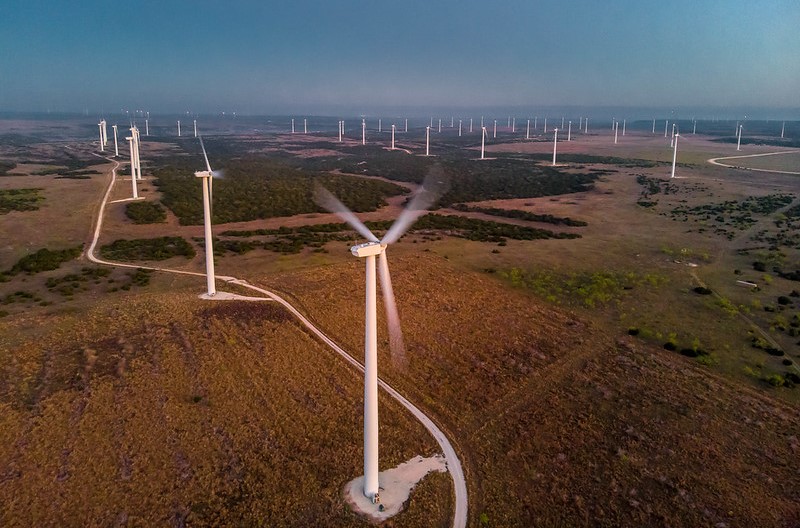
Texas renewables focus on 150 wind turbine farms producing 15% of total state power generation. Solar is rolling out more gradually, but it is gathering momentum and adding to the energy mix.
Renew Economy confirms that a Texas nuclear unit tripped a week ago. Before that, it was the turn of an ‘always on’ coal plant. This is a way of life for system controllers, and why they need spare capacity at hand.
However, those big units of spare capacity can’t come on at the flick of a switch. The huge plants are expensive, and there are numerous checks and balances. But batteries step in instantly, as Texas learns to depend more on them.
Texas Big Batteries To The Rescue Again
This week, Texas experienced another big generator trip. A coal power unit robbed a local grid of 550 megawatts in an instant. This happened as the evening peak was ramping demand, so not a good time to happen.
Fortunately for the network operator, battery storage came on line in a flash, and filled the gap immediately. This confirms two very important facts. Big generators are not always on, but batteries can deliver their power instantly.
More Information
Batteries Wind Turbines and Data Centers