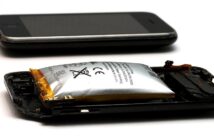
Battery electric multiple units are connected electric vehicles deriving their power from rechargeable batteries driving traction motors. They have many advantages from a green economy perspective. They don’t burn coal or diesel directly, and they emit no noxious gases from their exhausts. Moreover the provider does not need expensive ground rails or overhead wires either.
Notable Downsides of Battery Electric Multiple Units
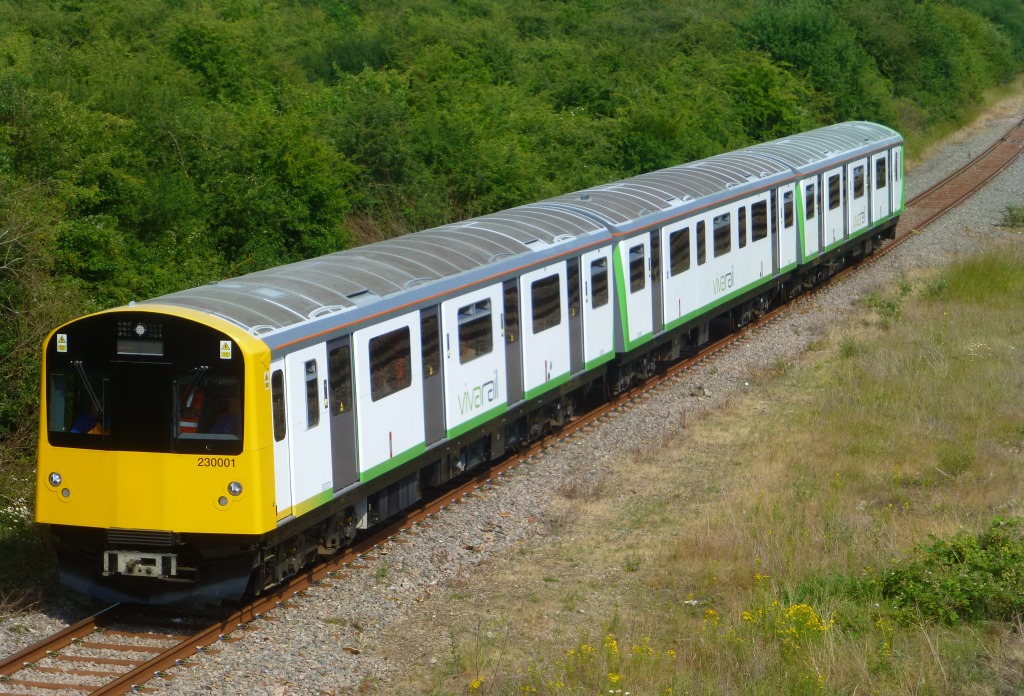
Battery electric units cost more to manufacture and operate than petrol or diesel rail cars. Their batteries are heavy, and this increases their energy consumption. Moreover their driving range is between 185 and 375 miles depending on conditions. They are therefore more suitable for commuter routes than inter-city applications.
However, improving battery technology and falling prices are improving the viability of battery electric multiple units. They are beginning to break even with full-line electrification cost, where maintenance is extremely expensive. Moreover, super capacitors allow fast boost charging of smaller battery packs at each stop. The technology is ideal for new inner-city routes where adding new runs of overhead wires can be problematic.
Moreover Battery Rail Cars are Not New Technology
Experimental ‘accumulator rail cars’ underwent testing in Belgium, France, Germany and Italy around 1890. Edison-Beach electric rail cars with nickel-ion batteries appeared in the U.S. in 1911 at the height of the electric car boom.
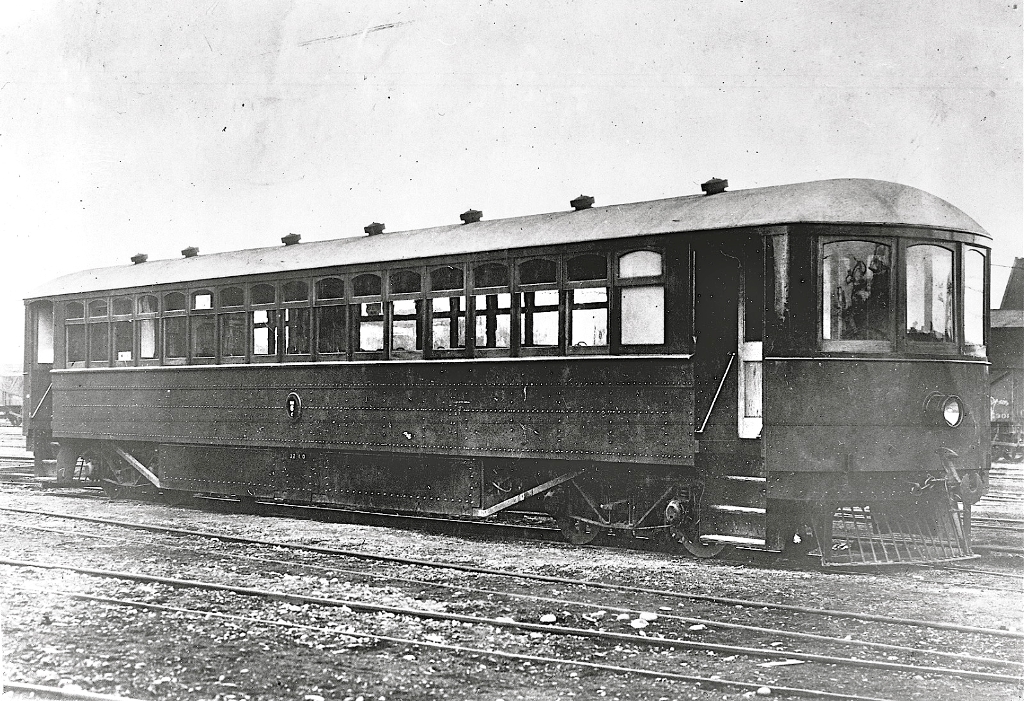
Edison battery electric multiple units operated successfully in New Zealand from 1926 to 1934. Apparently, they could achieve 37 miles per hour and looked like a hybrid rail carriage tram. They had a driving range of 100 miles and a charging time of four hours. Passengers loved them because the only sound they heard was wheels turning.
This technology may have to wait in the wings in the U.S. for now, although there are a few notable exceptions. That’s because it needs a political will to support it, and a willingness of passengers to pay more for carbon neutral travel.
Related
Irish Battery Trains to Dominate Landscape
Hoppecke Seals UK Battery Train Deal
Preview Image: EV-E300-1 on Karasuyama Line