Private-public enterprise Carbfix is one of Bloomberg’s 2022 New Energy Finance winners. We had not heard of it before, however the more we investigated the more curious we became. When we turned to Wikipedia we learned the company has been capturing CO2 and turning it into stone since 2012.
Turning CO2 Into Stone After Capturing It
Icelandic President, Dr. Ólafur Ragnar Grímsson initiated the project in conjunction with University of Iceland. Other role players include CNRS Toulouse University, and Reykjavik Energy utility company. They experimented for years before conducting a trial.
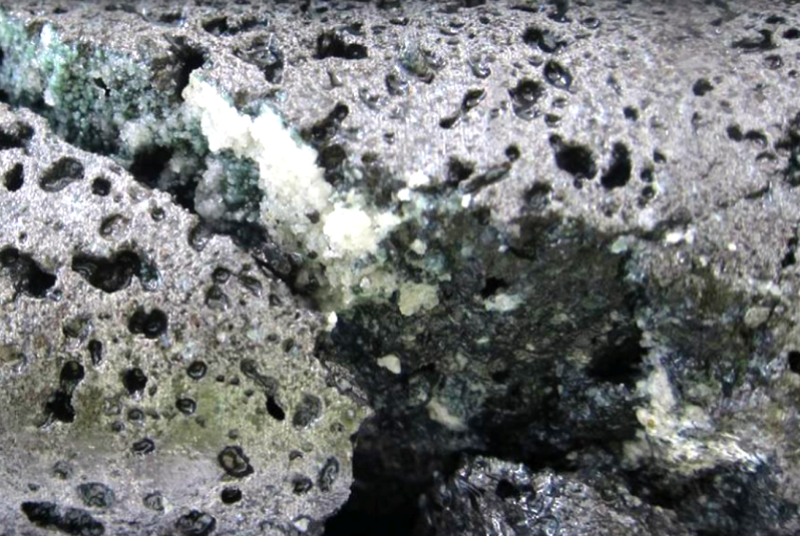
The trial began with capturing CO2 from power plant exhausts, and the atmosphere itself. Then they injected 200 tons of carbonated water into fine-grained, igneous basalt rock beneath the surface in 2012. They knew the process would take time but they were prepared to be patient.
The team returned to the site two years later. They found 95% of their CO2 liquid injection had become solid calcite carbonate mineral. However, perhaps we should not be too excited about this because they used 25 tons of water per ton of CO2.
Assessing the Results – A Future View
Fresh, unpolluted water is abundant in Iceland. In fact, some say the liquid has the lowest levels of chemicals anywhere. The carbonated version reacted with calcium and magnesium which are common there too.
Capturing CO2 and turning it into stone is cost-effective, and could store CO2 and other acid gases as stable minerals for $25 a ton. However, there were reports of low magnitude earthquakes after injection of other waste water.
Nonetheless, we cannot wish climate change away, and must urgently find ways to remove surplus CO2 from the atmosphere. Carbfix has several similar projects running. They believe United States could theoretically store at least 7,500 billion tons of C02. While Europe could achieve almost half that amount if it went ahead.
Breaking News
Pumped Energy Storage Could Fade Away