The Institute of Neuroscience at the Université Catholique de Louvain has invented a new acronym for those who love abbreviations. Their LTPS compound appears to be a new high performance and safe material for solid state lithium batteries. Science Daily posed the question could LTPS offer a way forward on July 17, 2019. As you may imagine we had to know more.
How Could LTPS Work While So Many Others Failed
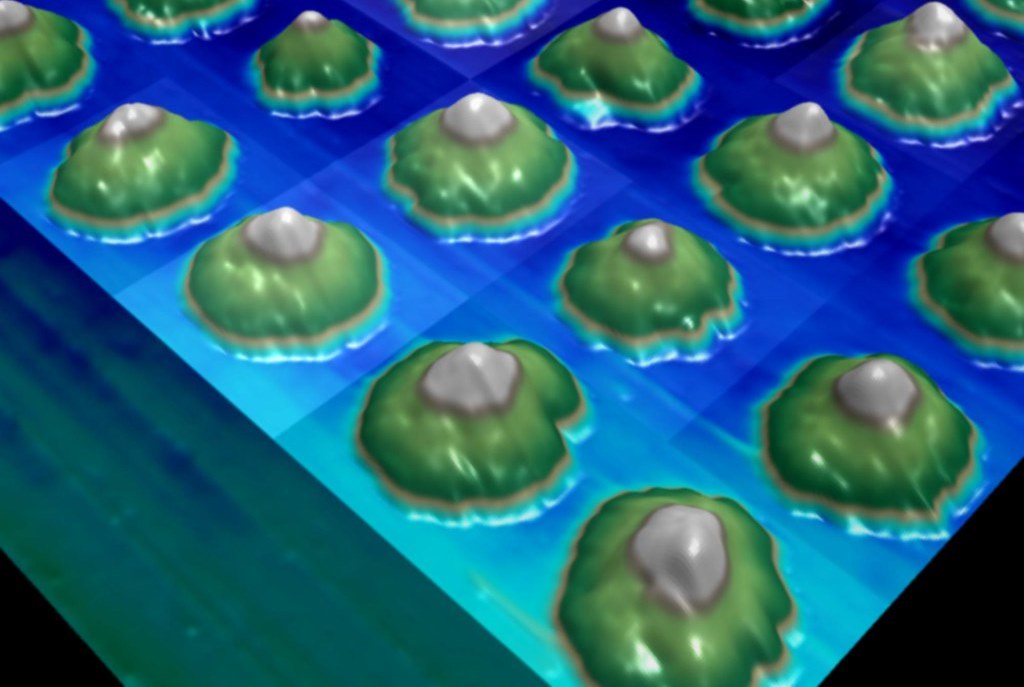
Lithium batteries are the best-performing technology we know of for storing renewable energy in bulk. However, their traditionally liquid electrolyte is flammable making them potentially unstable. Researchers have long believed a solid state electrolyte is the answer. However the search is still on for a commercial version because many have tried and failed.
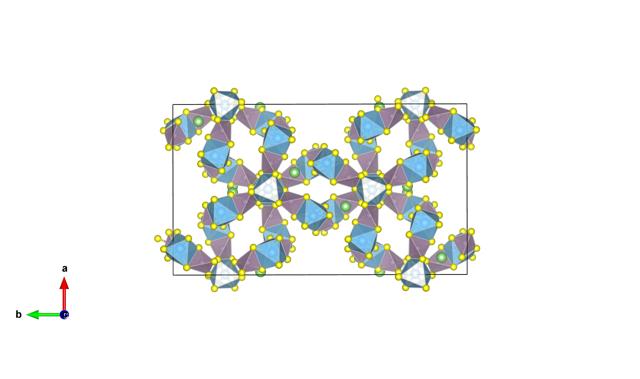
Now researchers at the Université Catholique de Louvain have announced a breakthrough that could render the ions more mobile. They call their new compound LiTi2(PS4)3 or LTPS. We understand this has the highest lithium diffusion coefficient (a direct measure of lithium mobility) ever measured in a solid. So what is the Université Catholique de Louvain and how could LTPS take green energy forward?
The LTPS Compound Has a Unique Crystal Structure
The Université Catholique de Louvain is Belgium’s largest French-speaking university with campuses in seven cities. Moreover there are eleven schools in its sector of science and technology.
Their LTPS compound has a unique crystal structure with “the highest lithium diffusion coefficient ever measured in a solid material”. However more research is necessary to determine could LTPS be commercially viable. If this were to be the case then this new invention could become an essential component of EV and phone batteries.
However This Must Be Tested in a Commercial Environment
The university believes its discovery could lead to “future batteries with better energy storage, faster charge/discharge and higher safety”. However this will depend on further confirmation of their initial tests. That’s because they will need to prove them outside laboratory conditions.
Related
Solid-State May Potentially Replace Lithium-Ion
Solid-State Electric Cars We Dream Of
Preview Image: Auditoires des Sciences and Place des Sciences
Image Credit: EurekAlert