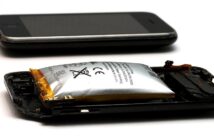
Could sodium-ion batteries travel farther down the road with renewables than lithium-ion can? Lithium metal has enjoyed a good run, and the momentum is continuing. However, two dark shadows follow the technology wherever it goes. Lithium is an unstable material, and it is expensive. So could sodium-ion outwit lithium-ion anytime soon?
Why Sodium-Ion Could Travel Farther Than Lithium-Ion
Lithium-ion has set the stage for batteries in terms of overall design. Big batteries contain myriads of tiny lithium-ion cells, and industry has their manufacture taped. Sodium metal could do the same. It is more stable than lithium, abundantly available, and doesn’t wreck the environment when we mine it.
However, there is a huge amount of money invested in lithium-ion battery factories. Moreover, lithium metal suppliers are aware that sodium-ion could disrupt their pathway to wealth. And so they have searched for and found new resources, and driven prices down.
But their competition still keeps asking could sodium-ion outwit lithium, and they have a compelling argument. Lithium-ion batteries store their energy in their cathodes, which are separate components in the case. Sodium-ion batteries work the same way. If we swap sodium for lithium, then we have the makings of a working sodium-ion battery.
The Current State of Play Between Two Metals
Sodium-ion technology has battled with vested interests since the 1990’s, when lithium-ion arrived. It also fared badly against the popular metal in terms of cycle life, and energy storage density too. However, laboratory research we report elsewhere on this site has made sodium-ion more competitive, and the benefits are starting to show.
Several Chinese and North American companies have announced advanced plans to bring sodium-ion batteries to their markets. Their spheres of interest include energy storage and electric vehicles. We confidently expect this progress will continue. In fact, we suspect sodium-ion might conceivably outwit lithium-ion this decade.
More Information
Electrode Binding Agent For Sodium-ion