The coronavirus travels between people through air, in microscopic droplets of moisture they expel from their noses and mouths. CDC confirms those viruses may also be present in untreated wastewater. There is no evidence of people catching the infection from it. However, it appears COVID sewage monitoring has potential for tracing outbreaks and spread of the disease.
Centers for Disease Control to Start Using the Tool
CDC is developing a data base into which state, tribal, local, and territorial health departments may submit wastewater testing data. The national agency will then summarize and interpret this standardized information for public health action.
‘Wastewater’ includes water from toilets, showers and sinks that could contain human fecal waste. This will facilitate tracking both symptomatic and asymptomatic infections, closing a very important knowledge gap. Moreover, this practice is already well established in Canada, China, Netherlands, Singapore and Spain.
Testing wastewater for RNA from SARS-CoV-2, the virus that causes COVID-19 uses existing technology. CDC says it has been ‘successfully deployed as a method for early detection of other diseases, such as polio’. This will help authorities obtain information on aggregate changes in total COVID-19 infection in their communities. The information should also be vitally important for health departments across their border.
EU Announces COVID Sewage Monitoring Program
The European Union has reached a similar conclusion. On May 2, 2012 it called on member states to monitor wastewater to detect COVID outbreaks early. It regards it as crucial that they begin monitoring sewage systems for SARS-CoV-2 RNA immediately, and make the data available.
COVID sewage monitoring should not place a huge additional burden on wastewater systems. Procedures are already in place to help health authorities monitor for other pathogens. They also use them to detect high levels of illicit drugs, alcohol, caffeine, various pharmaceuticals, and other compounds in communities.
Related
Chasing the Coronavirus Down Sewers
What COVID-19 in Wastewater Really Means
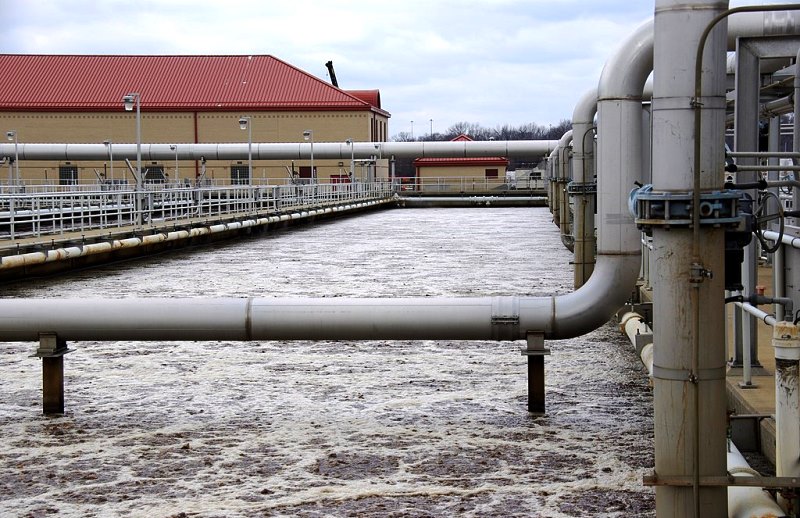
Preview Image: Wastewater Treatment Plant