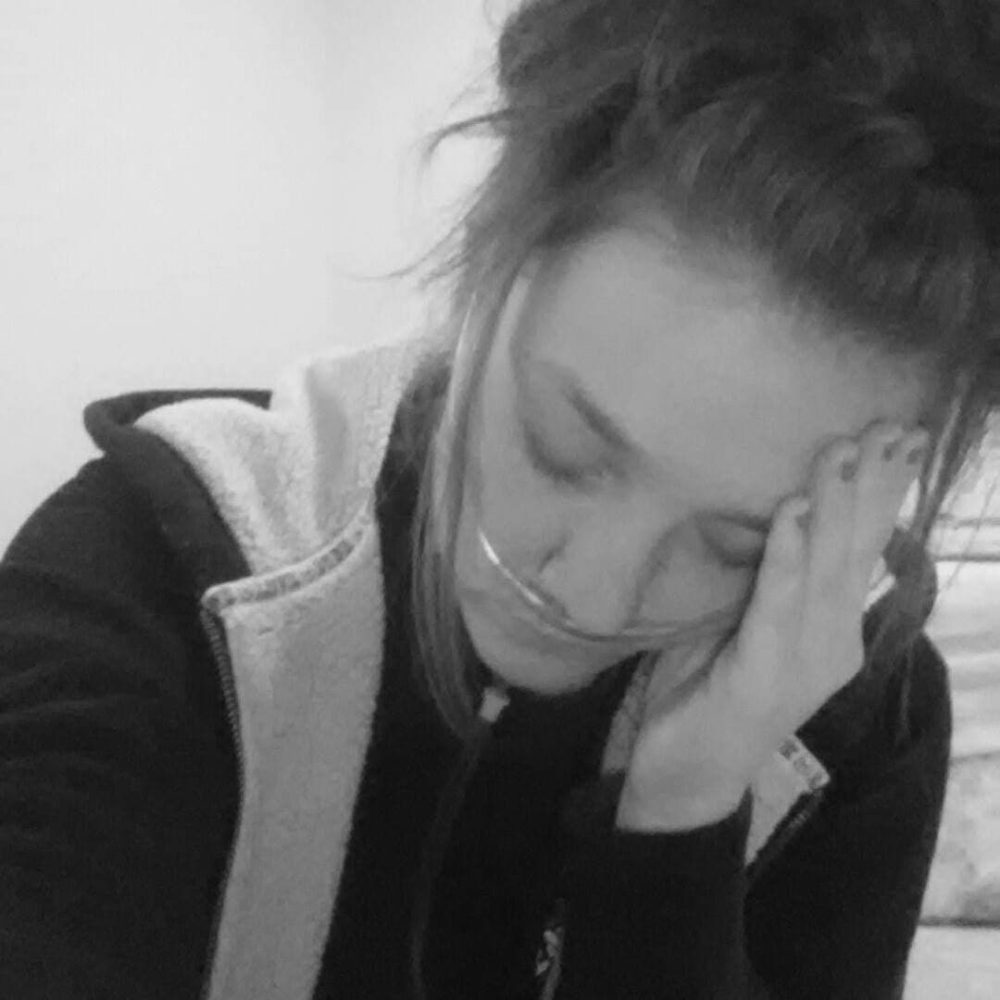
If you live with Cystic Fibrosis (CF), a genetic mutation that affects the production of mucus in the lungs, among other key faculties, you likely appreciate that it is like navigating an internal storm of daily chaos — and when the condition manifests into a full blown tempest, its sink or swim.
But it’s not only an internal battle. Cystic Fibrosis is a condition that exemplifies the symbiotic relationship between humans and the world in which we inhabit, because much of this disease is affected by climate.
Pollution and Cystic Fibrosis:
Air pollution exposure is associated with lung function decrease and an increased possibility of pulmonary exacerbation in people with Cystic Fibrosis. A pulmonary exacerbation in people with cystic fibrosis is detrimental because it hastens the progression of the disease and leads to shorter life spans. It negatively impacts the lung function and quality of life for CF patients. Researchers have found that acute increases in air pollution are associated with the increased probability of receiving additional antibiotic treatment.
Smog and Lung Diseases:
Air pollution is associated with the increased chance of getting additional antibiotic treatment for those with CF. Smog, which is a mix of fog and smoke, is a type of air pollution that is found in major metropolitan areas. The air generally contains sulphur dioxide, nitrogen dioxide, carbon monoxide and other pollutants. People living with CF are encouraged to live in climates that are not close to major pollutants, mega cities, or areas that lack air moisture.
The benefits of living close to saltwater is immense. Decreases in mucus production and increased lung function have been known to exhibit in CF patients who are either lucky, or who can afford to live by untouched bodies of water.
Interview with a Cystic Fibrosis Influencer:
I spoke with Dawn Schieferle, a 32-year-old woman who shares her journey with CF on YouTube. She explained how she worries about climate for the sake of ecosystem preservation, but also for her health.
“The warm weather is okay as long as it’s not humid. The humidity makes it so hard to breathe that I either don’t go outside or have to have my oxygen,” she said. While warmer weather can increase Scheiferle’s dependency on oxygen, it’s not the only weather vice. “I’m not supposed to be in the cold for long periods of time because I can get sick a lot faster.”
Dawn’s story… Breaking down Cystic Fibrosis:

Tell me a bit about your journey with CF:
“For the first year of my life, I was in and out of the hospital with what they thought was pneumonia. It wasn’t until I was a little over a year that they thought about doing the salt test — a test used to measure the salt content of sweat to determine whether someone has cystic fibrosis. This came back positive. I was your average kid…but it wasn’t until my freshman year of high school that things changed. That was the first time I was hospitalized for my first of many stays. Since then my hospital stays have gotten more and more frequent. Right now I am home usually for about three to four months and then have to go in for IV meds.”
What are some of the biggest challenges of having CF?
“As an adult it comes with more struggles. I tried going to college, but as I became sicker and needed to be in the hospital more that put a strain on my education. We then switched over to online classes, which I hated. Then I got to the point that I was going into the hospital so much that we had to quit all together. Another one is holding down a job. Right now I am working part time. This is my first job in over seven years because I just wasn’t healthy enough for me to have one, so just having a job is a big accomplishment.”
What are the blessings that might not be seen or understood by others?
“I am sure some people look at us and think that must suck. My uncle himself once told me that he feels bad for me because of the kind of life that I have to live. The thing is that my life may not be the choice that one would choose but its not bad. Yes, it has its moments but it keeps me humble. I have met so many other patients with Cystic Fibrosis over the years that I would have never know other wise. These people are amazing people and I am blessed to have gotten the chance to meet them and call them my good friends. Sadly most of them have passed on and that is one of the hardest parts of this disease. Even in death I find the blessing in living on for them. Every breath that I take is not a wasted one, I keep breathing not only for myself but for my fellow fallen friends that over the years have become family that have passed from CF.”
How many treatments do you undergo daily?
“On an average day, I spend two hours on treatments when I am feeling good and even longer when I am sick and not feeling well or in the hospital. I have four inhaled medicines that I do in the morning and then the same four in the evening or before I go to bed, and I have another medicine that I can take a few times a day if I have trouble breathing. Then I do my vest, which is a machine that shakes the mucus loose in your lungs for fifteen minutes twice a day. When I am sick or in the hospital then I do more inhaled medicines plus the four that I already do, and I do my vest more as well.”
What is the one thing most people assume about CF that isn’t true?
“I am glad that I don’t look sick, but at times I feel if people saw the way I felt on the inside they would understand that just looking healthy doesn’t mean that I am. When I use my handicap sticker on my car I get nasty looks and I have gotten note saying I am not sick at all and that I should be ashamed of myself. The other thing that people assume is that CF only effects the lungs. It effects so much more then that. Just to name a few things that it effects are sweat glands, respiratory system, digestive system and reproductive system, and some other things can end up being affected as well. Cystic Fibrosis is know to be a lung disease, but it is so much more then that.”
The Bottom Line:
Cystic Fibrosis is severely underfunded. Schieferle explained that most funding comes from organizations, rather than states themselves. While it’s not ideal to live around areas that are heavily crowded, or suffering from climate change, it’s not exactly like patients can choose where they live when most antibiotics are paid out of pocket.
Some drugs are not approved by the FDA, which means that they won’t be accessible on the market, and that if you chose to opt for an unconventional treatment, be ready to pay. If you want to be on a clinical trial, you might have to wait for long periods of times. Regardless of what stage you are as a CF patient, the battle is continues – not only for those living, but also for those who have left us.
Related:
Sistema Toronto Bringing Music Education to Toronto’s Underprivileged Schools