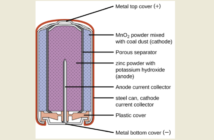
The different types of lithium-ion batteries all release their energy on a similar principle. They use a chemical reaction, not electricity, to move their charged ions from their cathodes to their anodes. However, these batteries do require electricity to reverse this process and recharge.
Types of Different Lithium-Ion Battery Cathodes
- Lithium-nickel-manganese-cobalt-oxide cathodes achieve a healthy balance, between high energy storage and battery life. Performance can improve further with more nickel, at a cost.
- Batteries using lithium-iron-phosphate chemistry in their cathodes, have relatively lower energy storage density. In return they offer longer cycle lives, are more thermally stable, and safer overall.
- Lithium-cobalt-oxide batteries, on the other hand, trade high energy storage capacity off against relatively shorter lifespan. They may suit personal devices, but are less appropriate for energy storage.
- Batteries with lithium-cobalt-aluminum-oxide in their cathodes attract some electric car makers. They have great lifespans and energy density. However, they are less thermally stable.
- Lithium-titanate batteries are a relatively new development. They introduce lithium titanate to the mix, replacing conventional graphite. This delivers lower storage capacity, but more durable fast charging.
These different types of lithium-ion batteries all have their advantages, according to Battery Tech Online. However, most users are probably oblivious to the content of their batteries.
The Future of Lithium Batteries?
All of the lithium battery types we mentioned are compromises, because they offset density, cycle life, and charging speed against each other. Lithium continues to be an unstable, potentially hazardous substance. We may well ask how long it would remain popular, if a viable alternative arrived.
Meanwhile in the background, the stability of international trade is never certain in these times. North America may well have its own natural lithium reserves. These appear to have been largely ignored until now, but this appears to be changing too.
More Information
New Method for Sourcing Lithium Ions